Voice AI: The Fastest Way to Modernize Customer Calls Without Scaling Headcount
Authored by
Saasence Editorial Team
Date Released
March 2, 2026
Calls are still the highest-friction channel for most businesses—high volume, high cost, and hard to standardize. Voice AI changes the equation by handling repetitive conversations, capturing intent, and triggering workflows across your systems in real time. This guide explains where Voice AI works best, how to implement it safely, and how to build a rollout that delivers measurable ROI.
Key Takeaways
- Voice AI is most valuable when it reduces call load and accelerates resolution.
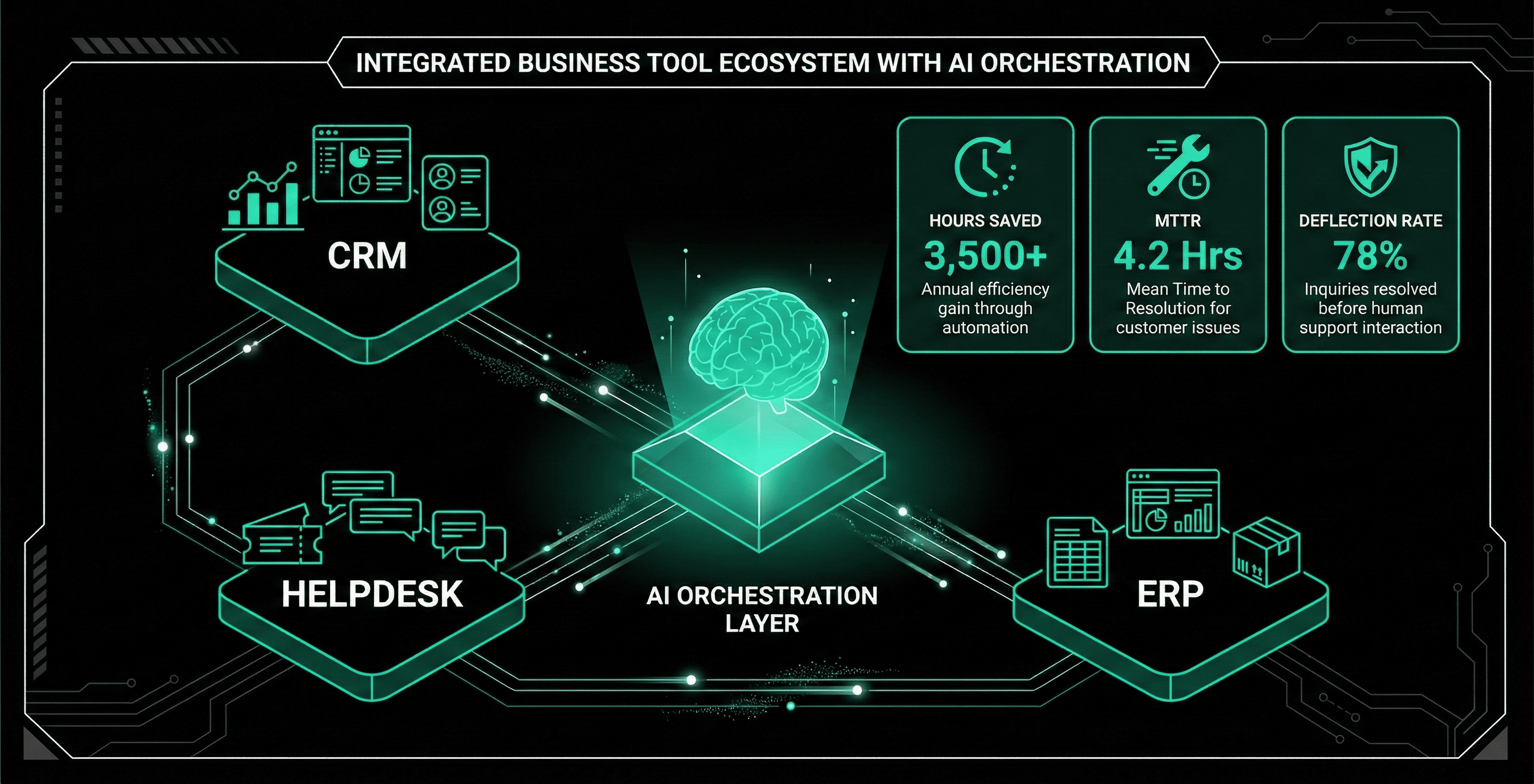
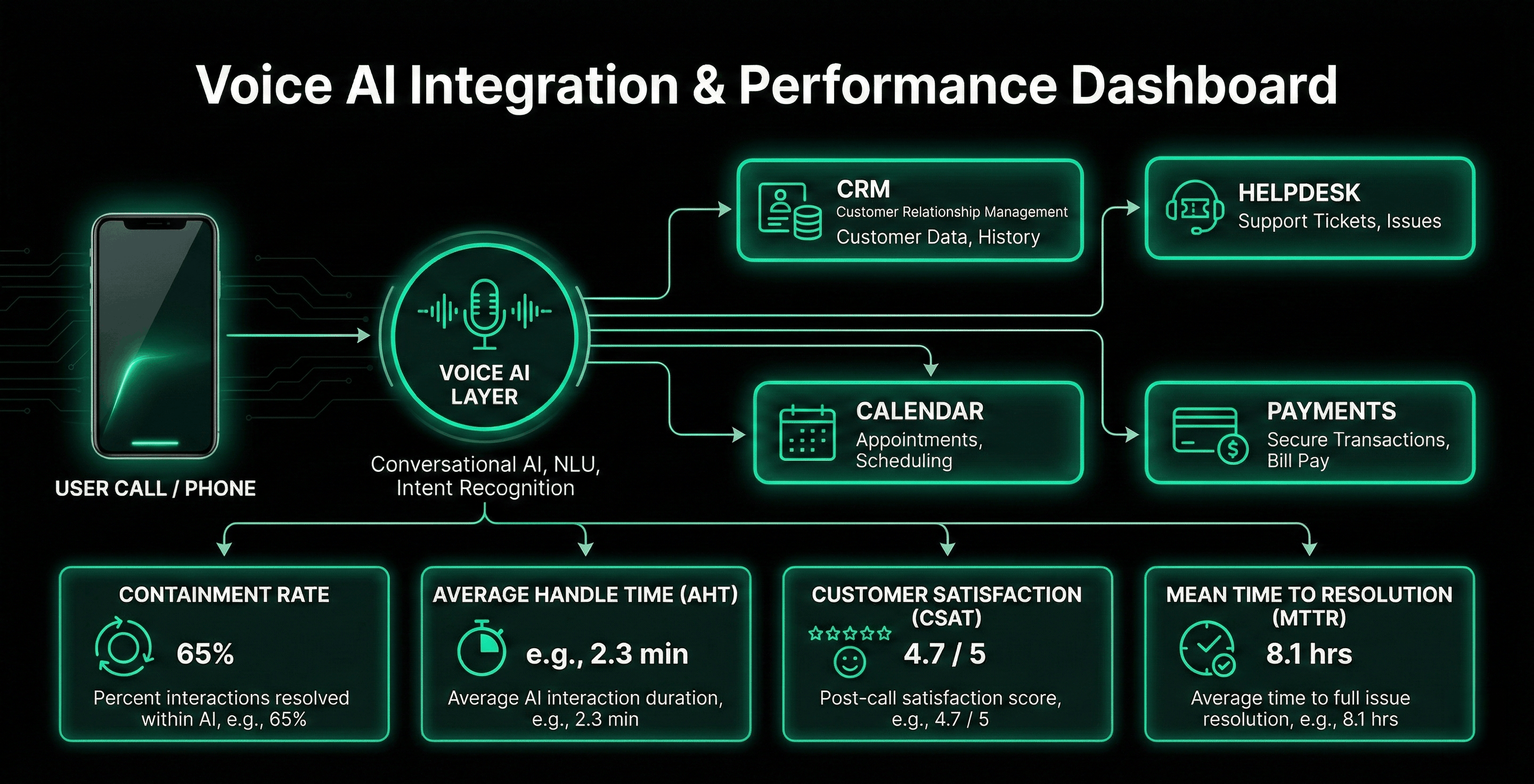
- The real ROI comes from integrations with CRM, helpdesk, scheduling, and billing systems.
- A safe rollout uses human-in-the-loop escalation and measurable KPIs.
- Security and compliance require encryption, access control, retention policies, and audit logs.
- Start with a few high-volume intents, stabilize quality, then expand.
What Voice AI Actually Is (and What It Isn’t)
Voice AI is a voice-based automation system that understands spoken language, identifies user intent, and responds naturally in real time while interacting with business systems to complete tasks.
It typically combines several technologies:
- Speech-to-text to convert spoken voice into text
- Language understanding for intent and context
- Decision logic to determine next actions
- Text-to-speech to generate natural responses
What it isn’t: a traditional IVR system. Instead of asking users to press numbers in menus, Voice AI aims to resolve requests end-to-end and escalate complex cases with full context.
Saasence Insight: Voice AI succeeds when it acts as an operational layer—capturing intent, updating systems, and transferring conversations with context—not when it tries to replace humans entirely.
The Business Outcomes Voice AI Improves
Voice AI works best when the impact can be measured operationally. The strongest results appear in cost reduction, speed improvements, and customer experience consistency.
1) Cost and Capacity Relief
- Handles repetitive requests such as availability or status checks
- Reduces manual documentation and tagging
- Provides 24/7 coverage without additional staffing
2) Faster Resolution and Consistency
- Collects structured information at the start of the call
- Routes conversations to the correct team
- Ensures consistent responses using approved knowledge sources
3) Better Customer Experience
- Shorter wait times
- Clear updates and confirmations
- More consistent service during peak periods
Use-Case Playbooks by Workflow
Rather than focusing on industries, the most successful Voice AI deployments are mapped to workflows that generate measurable ROI.
Appointment Scheduling and Confirmations
Best for: services, clinics, field operations, hospitality
- Availability lookup and booking
- Appointment reminders
- Rescheduling requests
Success metrics: booking completion rate, reduced no-shows, call containment.
Customer Support Front Door
Best for: SaaS, ecommerce, financial services, utilities
- Answer FAQs and perform status checks
- Create tickets automatically
- Escalate to agents with full transcript and context
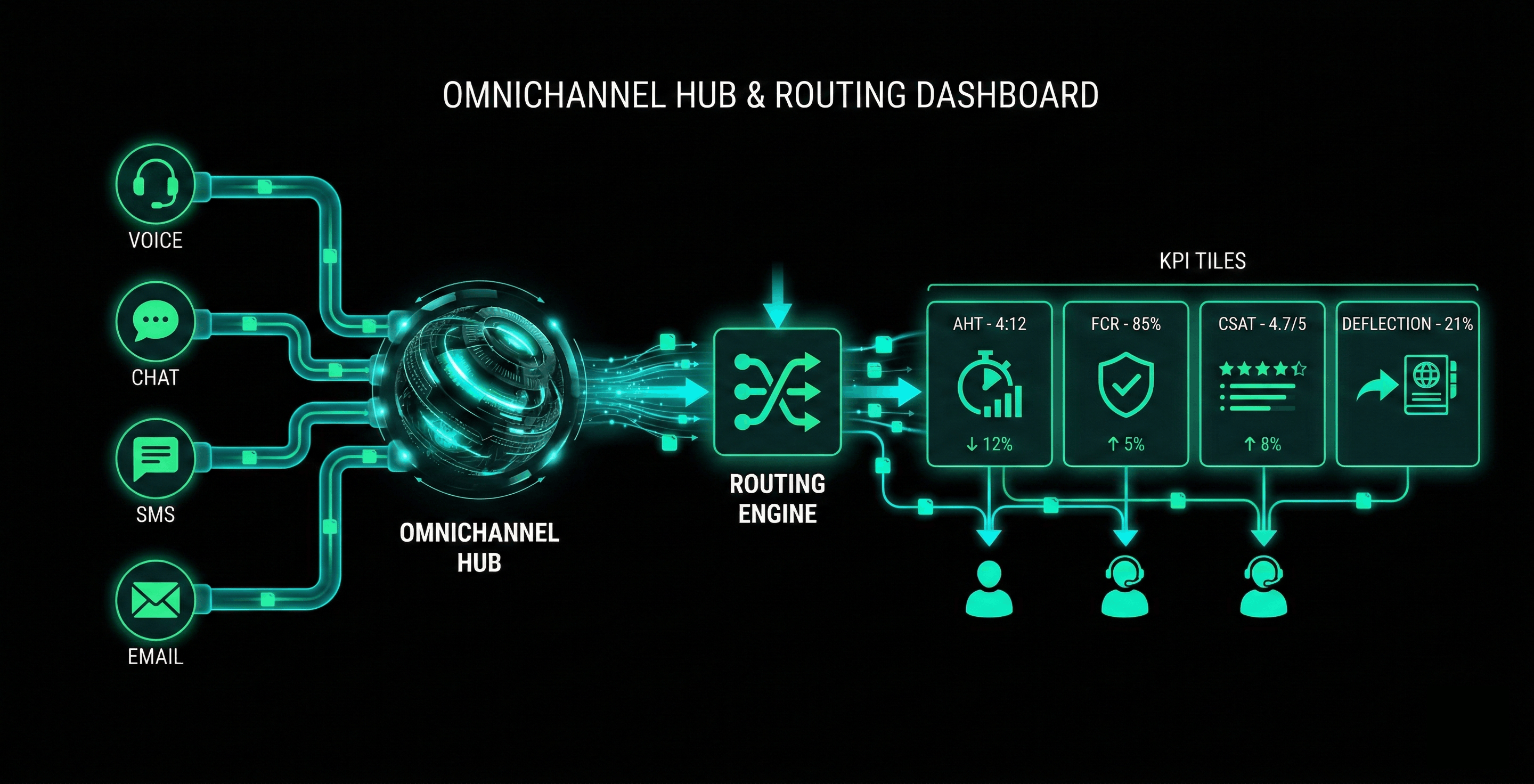
Success metrics: containment rate, AHT, transfer rate, first-contact resolution, CSAT.
Sales Lead Qualification
Best for: inbound sales teams and high-volume lead funnels
- Ask qualification questions
- Schedule meetings automatically
- Update CRM records
Secure Account Actions
Best for: banking, insurance, subscription services
- Balance inquiries and account updates
- Identity verification using MFA
- Policy-controlled transactions
Internal Operations Assistant
Best for: warehouse, field teams, manufacturing, IT operations
- Task logging
- Incident updates
- SOP guidance and checklist completion
Architecture: How Voice AI Connects to Your Systems
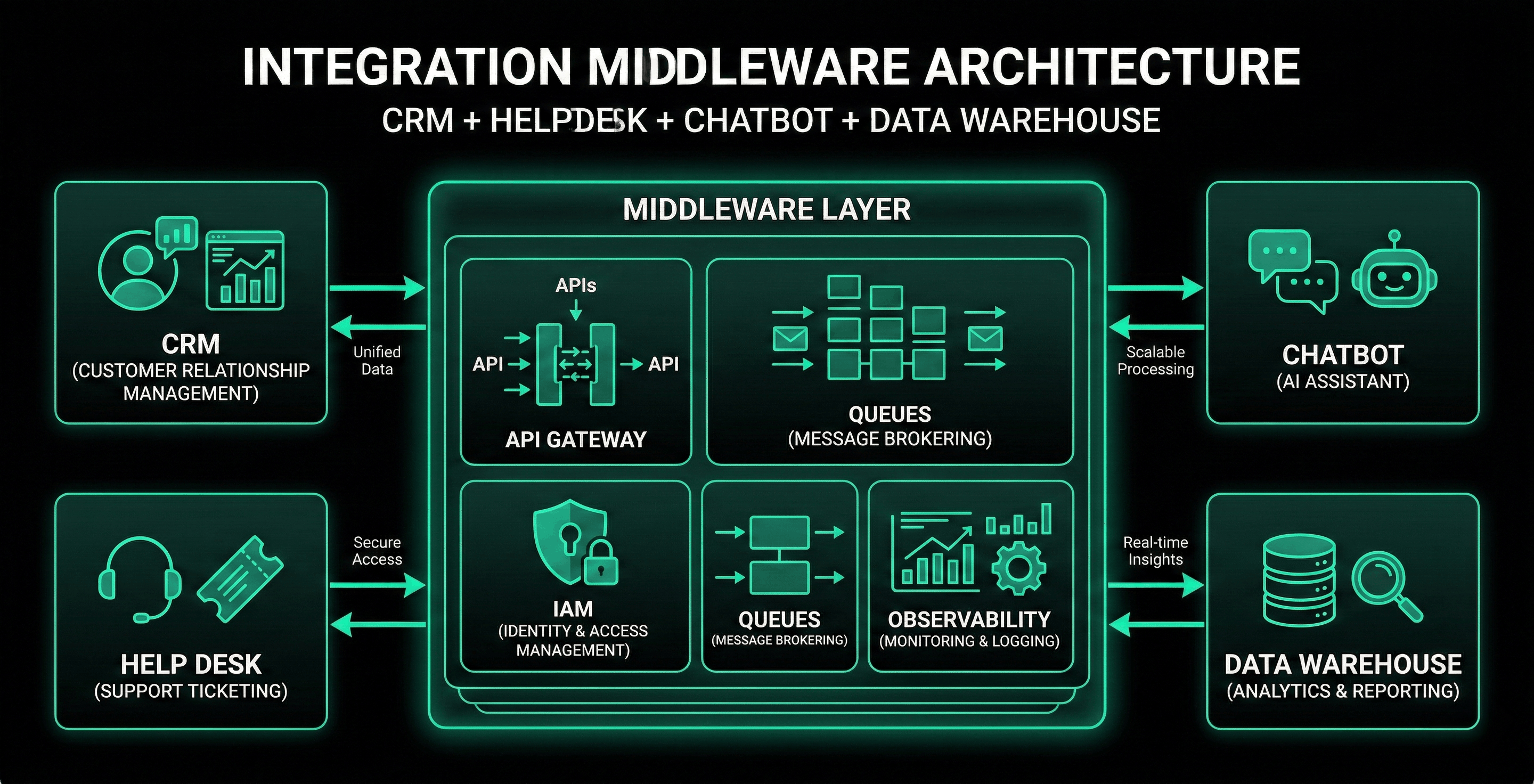
A production Voice AI solution requires orchestration and governance across multiple layers.
Core components include:
- Telephony layer for inbound and outbound calls
- Voice AI agent layer for conversation handling
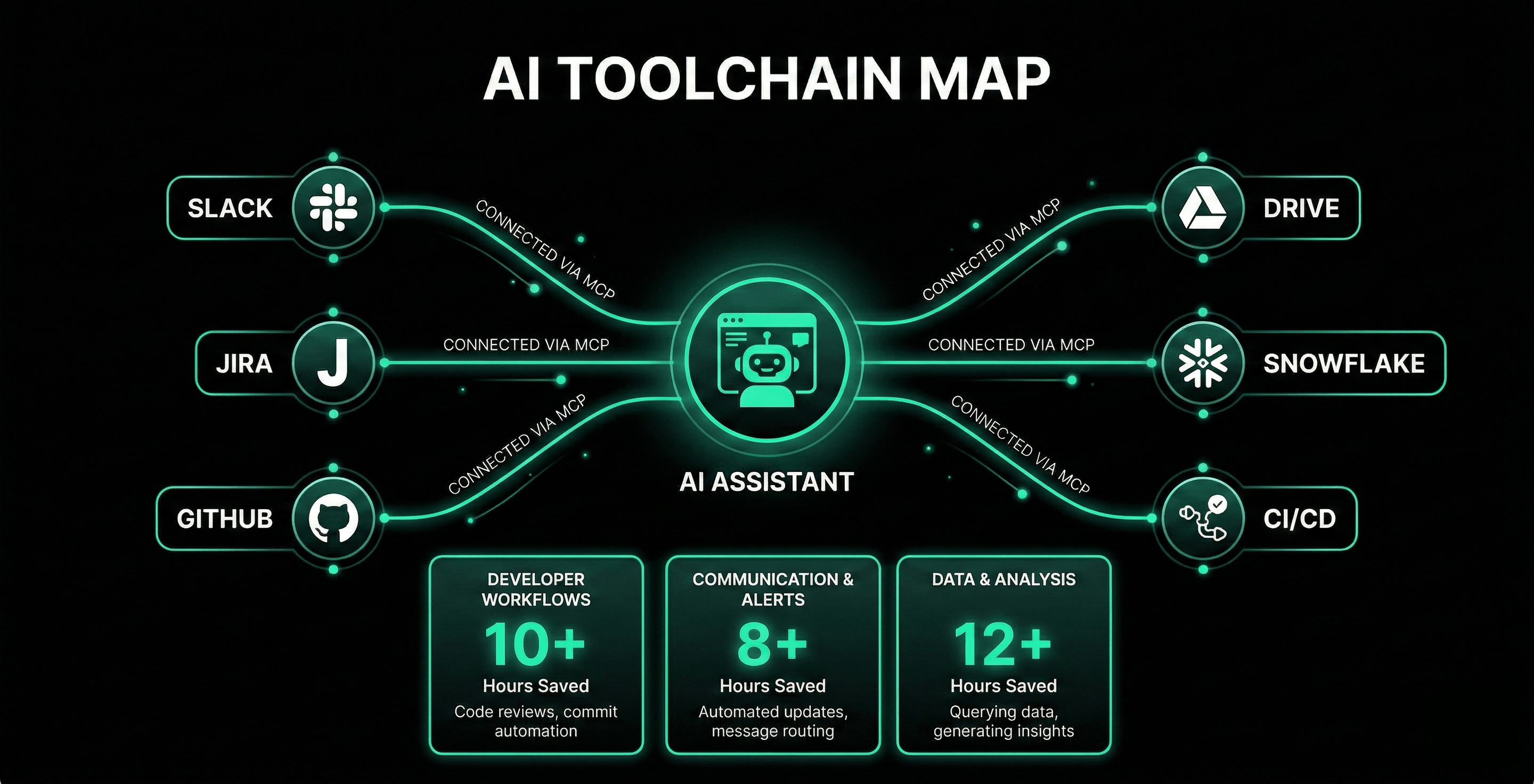
- Integration layer for CRM, helpdesk, and business systems
- Knowledge layer for approved policies and FAQs
- Observability layer with logs, metrics, and alerts
Governance: Security, Privacy, and Compliance
Voice AI must be designed with strong security controls, especially when conversations involve personal or financial data.
- Encryption for data in transit and at rest
- Role-based access control with least privilege
- Audit logging for actions and system access
- Data retention and transcript management policies
- Monitoring and incident response procedures
Implementation Roadmap
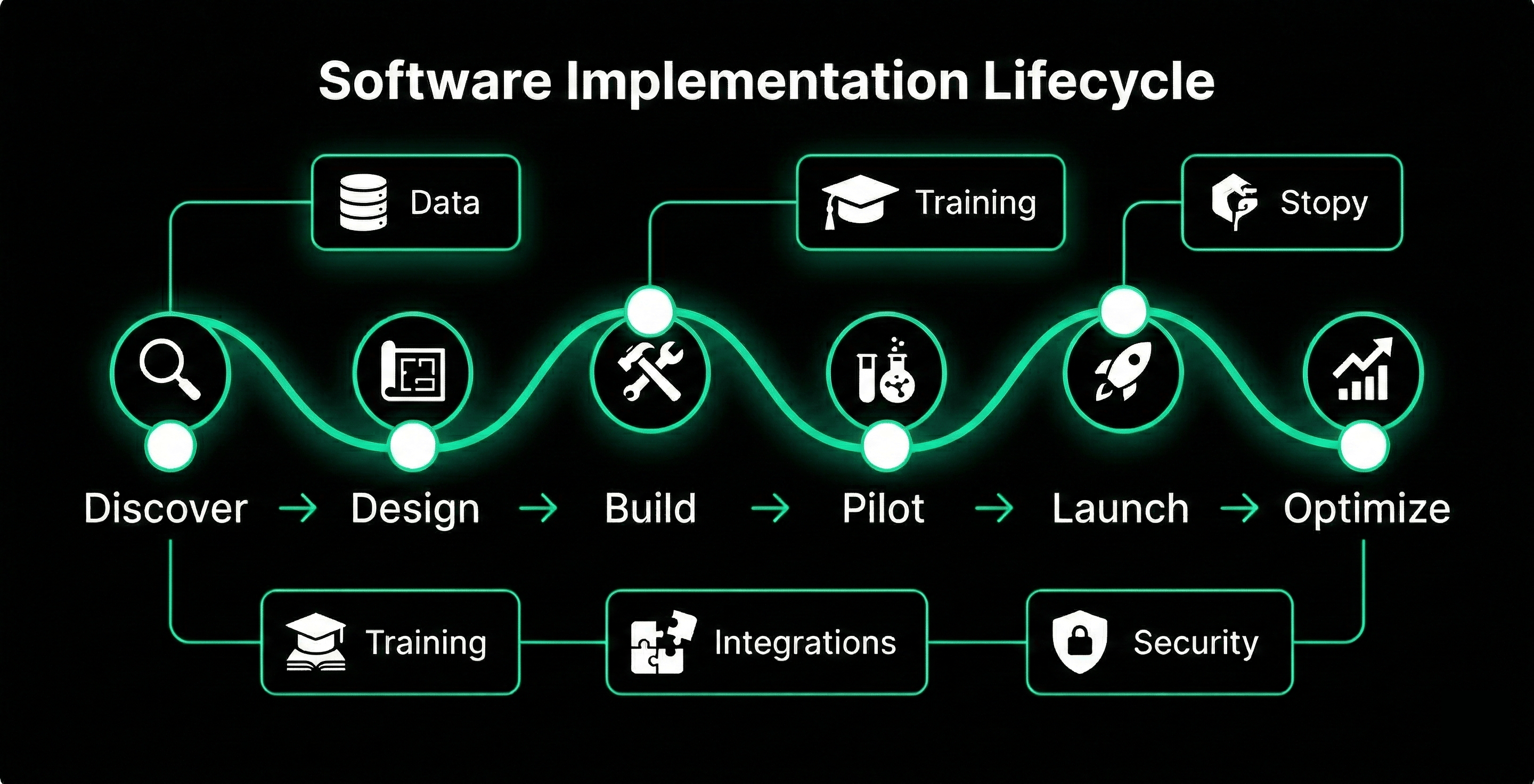
Phase 1: Discovery and Use Case Selection
Identify one or two high-volume intents where Voice AI can safely improve speed and containment.
Phase 2: Design and Prototype
Design call flows, escalation rules, and integrations. Build and test prototypes in a controlled environment.
Phase 3: Pilot Deployment
Launch to a limited queue or region and monitor performance closely.
Phase 4: Scale and Optimize
Expand intents and workflows while improving routing, knowledge accuracy, and analytics.
Checklist: What Most Teams Miss
- Trying to automate complex edge cases too early
- Weak escalation handoffs to agents
- Missing governance policies and audit trails
- No continuous tuning loop using real call data
How Saasence Helps
Saasence designs and implements Voice AI solutions that integrate with CRM systems, helpdesks, scheduling platforms, and operational workflows. We help organizations move from experimentation to production-ready automation with governance, monitoring, and measurable outcomes.
Conclusion
Voice AI is one of the fastest ways to modernize customer communication when it is designed around real workflows and integrated into existing systems. Starting small, measuring results, and scaling gradually allows organizations to reduce operational load while improving customer experience.
Ready to Get Started?
If you’re exploring Voice AI to reduce call volume, improve response speed, or modernize customer communication, Saasence can help you implement it safely and effectively with a structured rollout plan.