Top 10 Business Phone Systems for 2026: How to Choose the Right One
Authored by
Saasence Editorial Team
Date Released
March 2, 2026
Business calling in 2026 is no longer “just phones”—it’s voice, messaging, video, and analytics, often connected to your CRM and support stack. This guide compares 10 strong options and gives you a practical decision framework to choose the right platform without overpaying or underbuilding.
Key Takeaways
- The “best” phone system depends on your workflows and integrations, not brand popularity.
- For most teams, cloud UCaaS wins on speed-to-deploy and scalability.
- AI features like transcription and summaries are increasingly built-in—evaluate accuracy and governance.
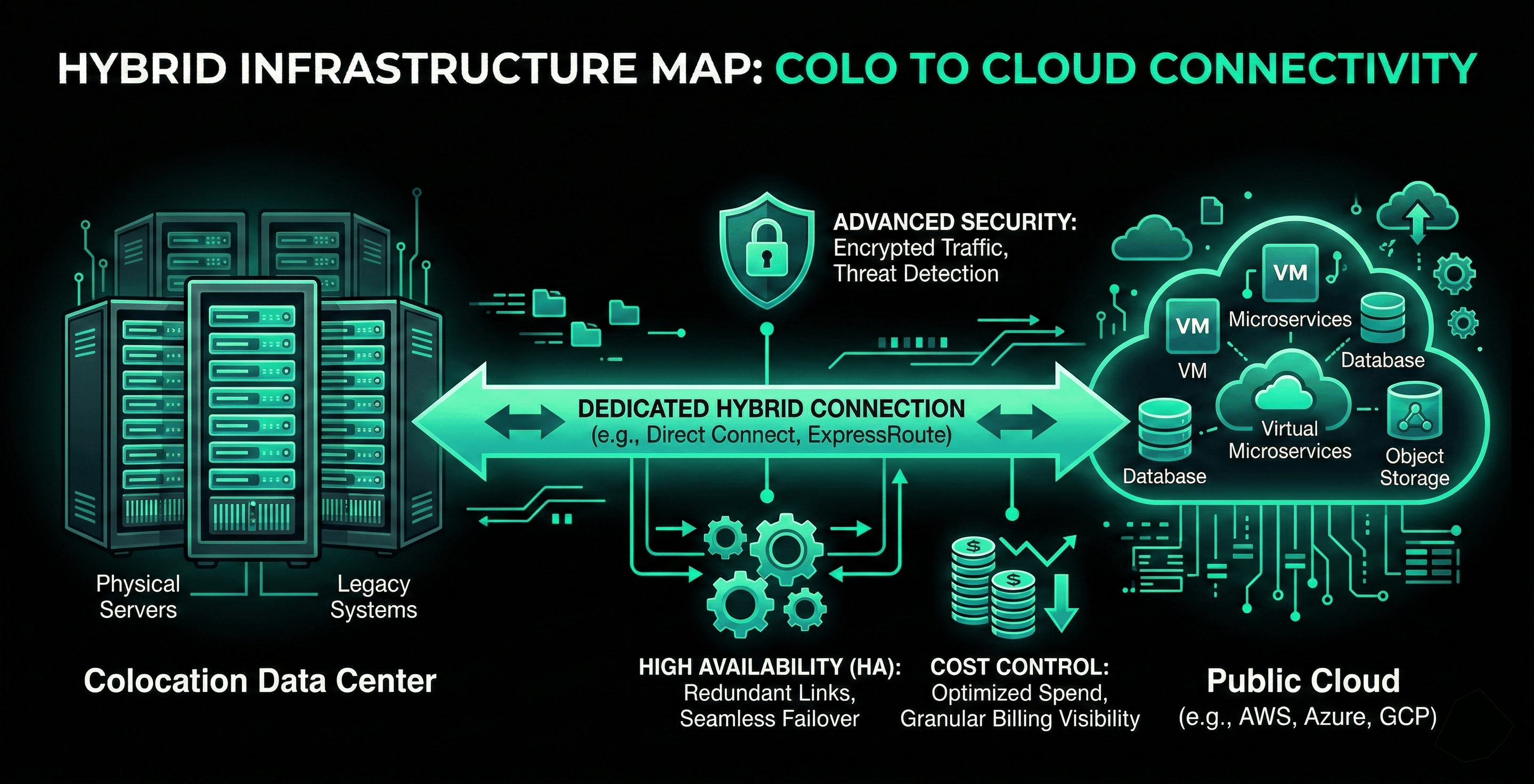
- If uptime is mission-critical, validate SLAs and architecture.
- A clean rollout plan (numbers, users, routing, training) matters as much as vendor selection.
What “Good” Looks Like in 2026
A modern business phone system should do four things well:
- Call quality and reliability with stable routing and strong uptime posture
- Unified experience across mobile, desktop, messaging, and meetings
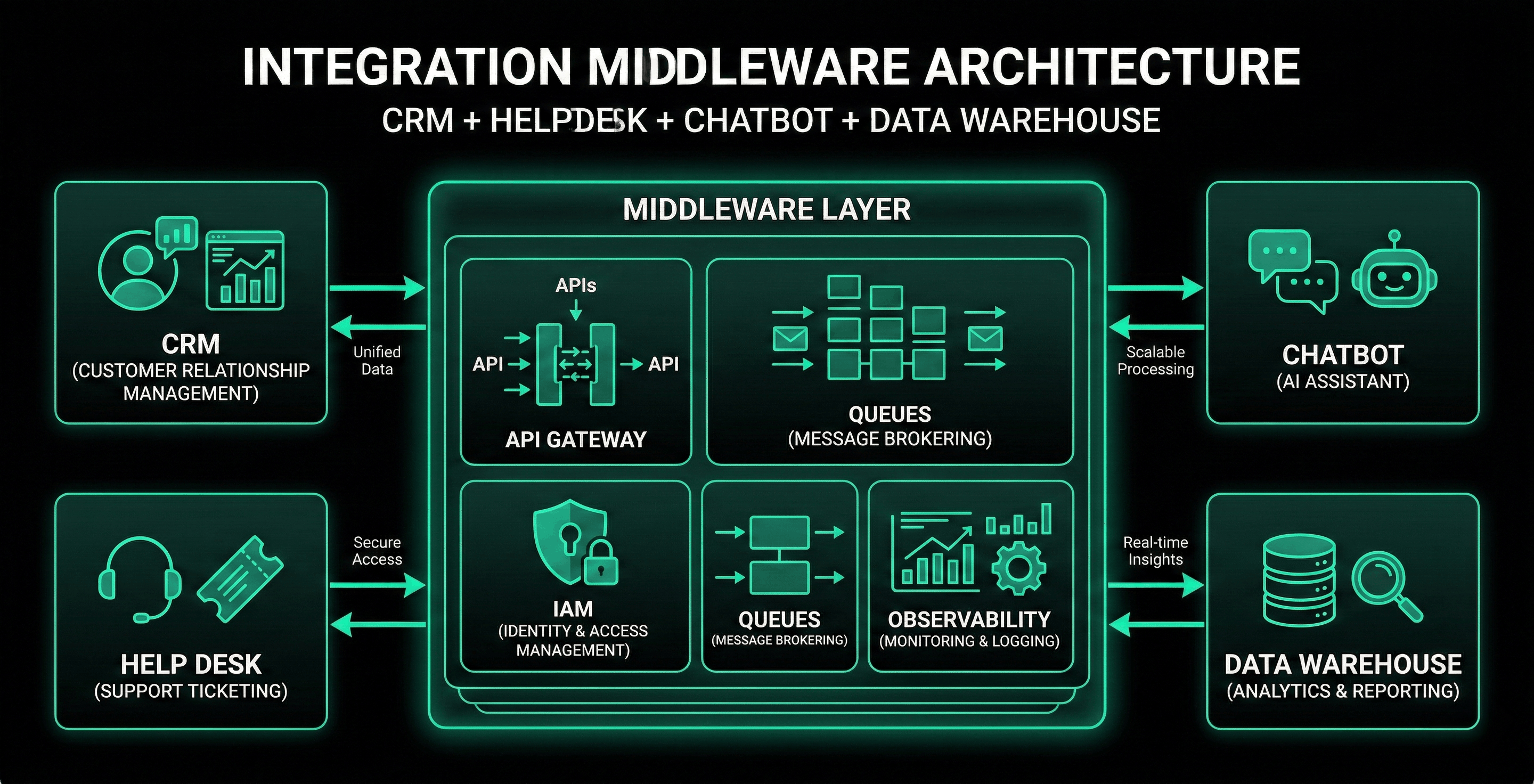
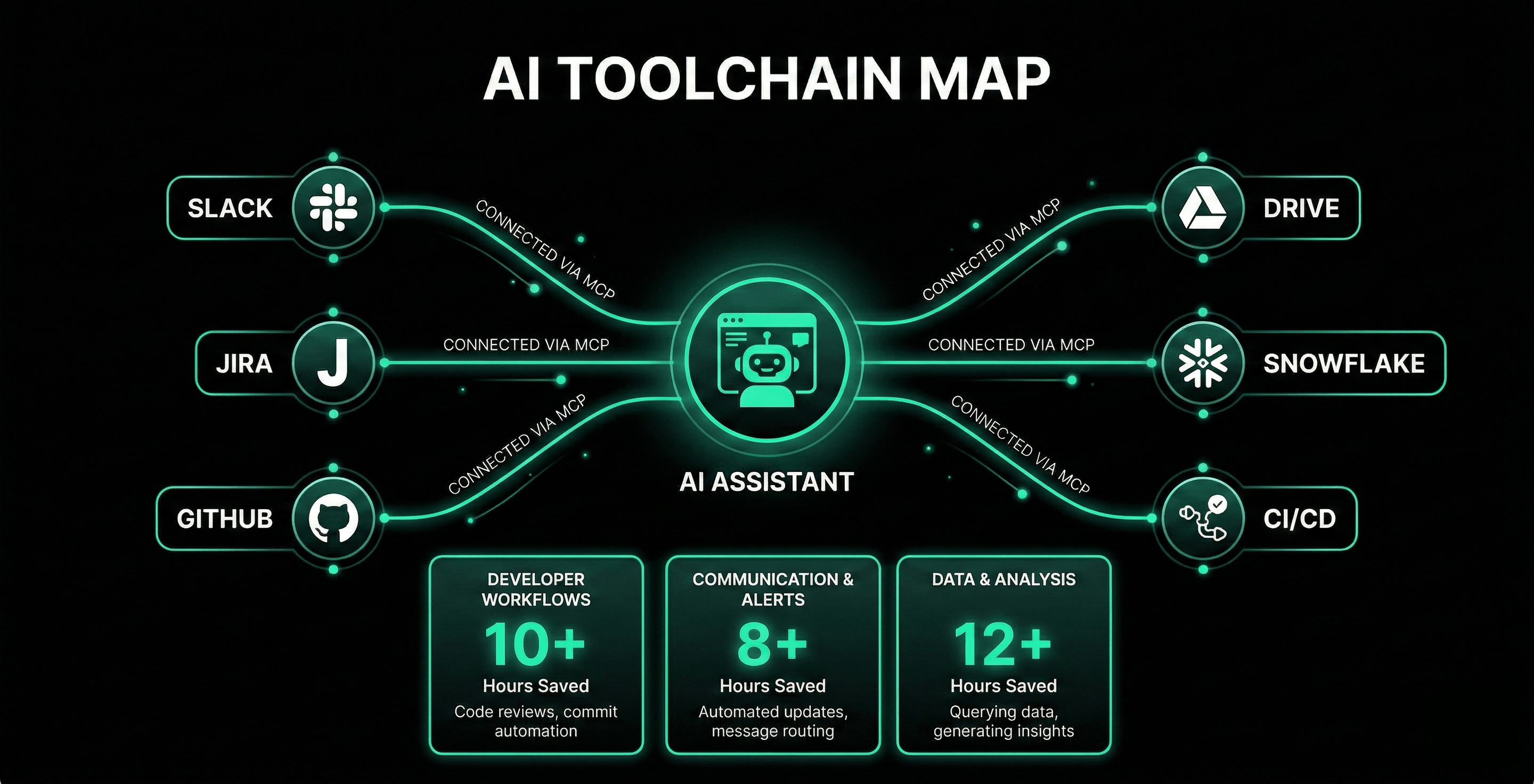
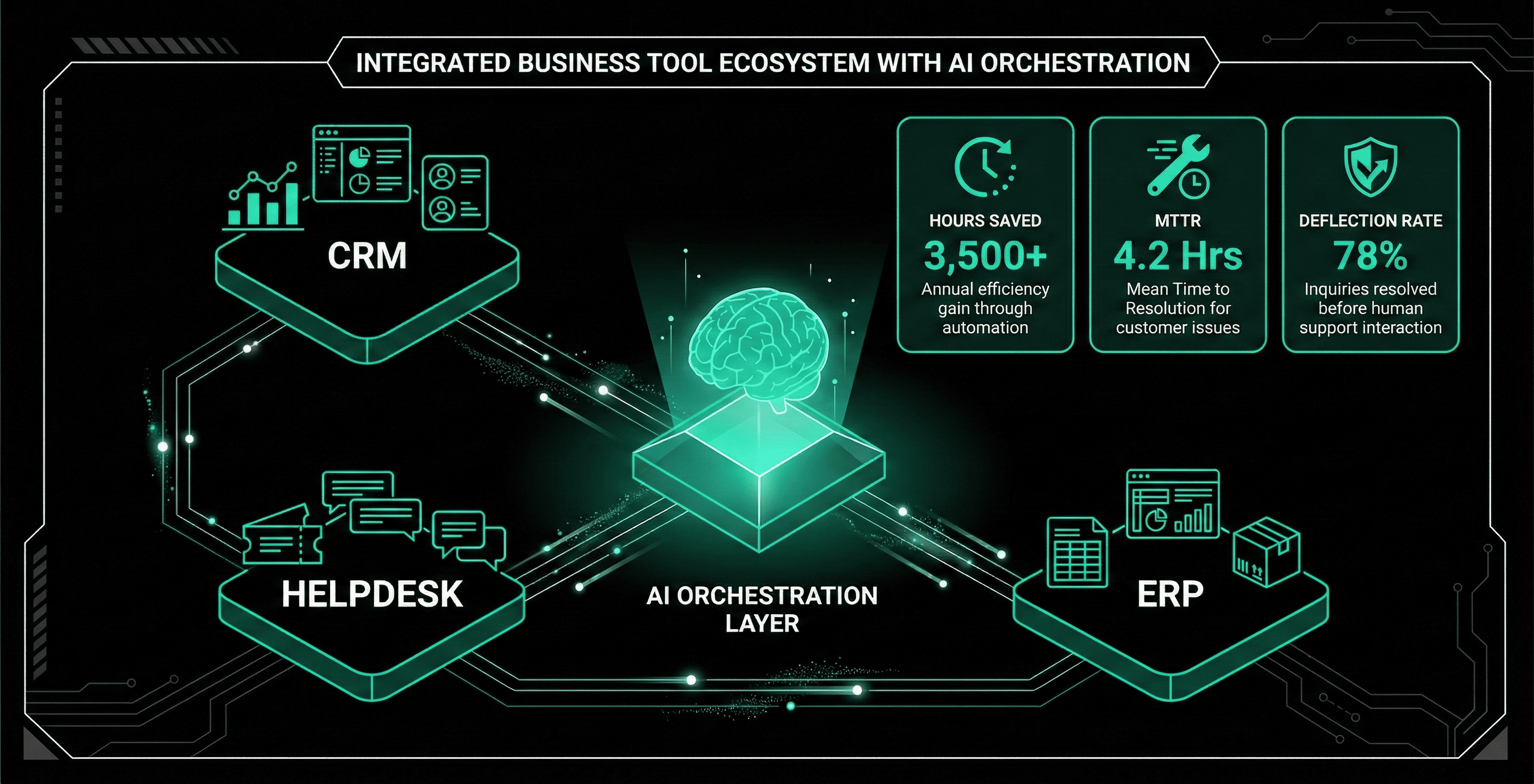
- Deep integrations with CRM, helpdesk, identity/SSO, and collaboration tools
- Operational visibility with analytics, recordings, transcripts, and admin controls
Saasence Insight: If your phone system doesn’t connect to your CRM or helpdesk cleanly, you’ll pay for it every day—in longer calls, repeated context, and messy reporting.
Top 10 Business Phone Systems for 2026
Below are 10 widely adopted platforms grouped by where they typically perform best.
A) Best All-Around UCaaS Platforms
- Nextiva — Strong all-in-one UCaaS platform known for reliability.
- RingCentral — Mature ecosystem with deep integrations and AI features.
B) Best if Video Meetings Are Central
- Zoom Phone — Ideal for organizations already using Zoom heavily.
C) Best for Global Calling
- 8x8 — Popular for international coverage and enterprise-scale deployments.
- GoTo Connect — Often selected by SMB and mid-market teams with global needs.
D) Best AI-First Calling Platform
- Dialpad — Known for built-in AI features like transcription and coaching insights.
E) Best for Customization & APIs
- Vonage Business Communications — Strong API capabilities and customization.
F) Best for Microsoft-Centric Organizations
- Microsoft Teams Phone — Ideal when Teams is already the main collaboration hub.
G) Best for Lean SMB Setups
- Ooma Office — Simple VoIP solution for small businesses.
- Grasshopper — Good option for solopreneurs and very small teams.
Decision Framework: Which One Should You Pick?
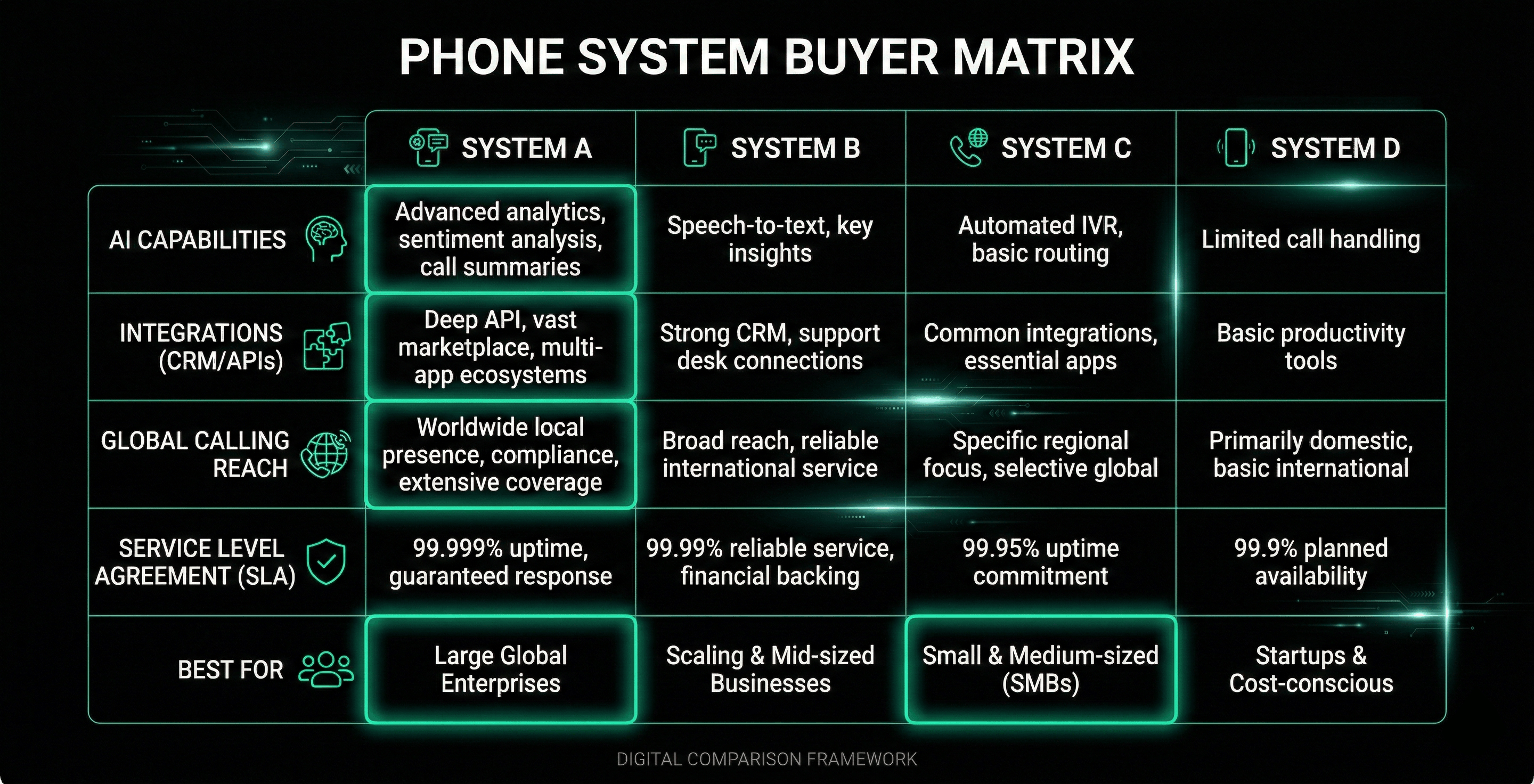
If reliability and support are your top priority:
Start with Nextiva and validate its SLA, infrastructure, and support model.
If you need enterprise-scale UCaaS capabilities:
Shortlist RingCentral and 8x8, then compare integrations and administration features.
If your organization already runs on Zoom:
Zoom Phone simplifies the user experience by consolidating meetings and calling.
If AI-powered calling workflows are important:
Dialpad is often a strong candidate for AI insights and automation.
If your IT environment is Microsoft-centric:
Teams Phone integrates naturally with Microsoft 365 governance and identity management.
If you are a small business looking for simplicity:
Ooma or Grasshopper may provide the easiest and most affordable path.
Saasence Insight: Don’t start with pricing pages. Start with your top five workflows— routing, IVR, CRM logging, recordings/transcripts, and governance.
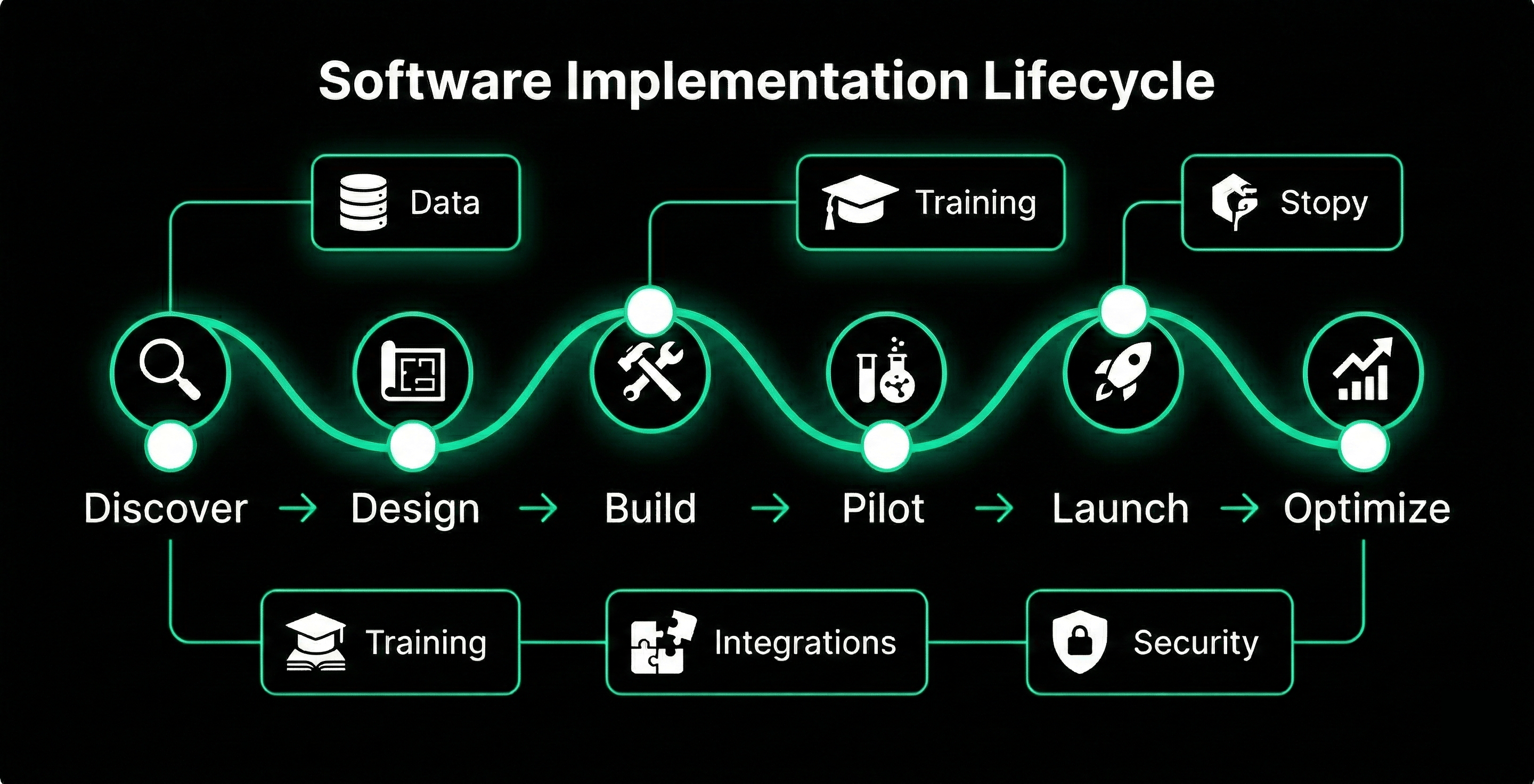
Implementation Checklist
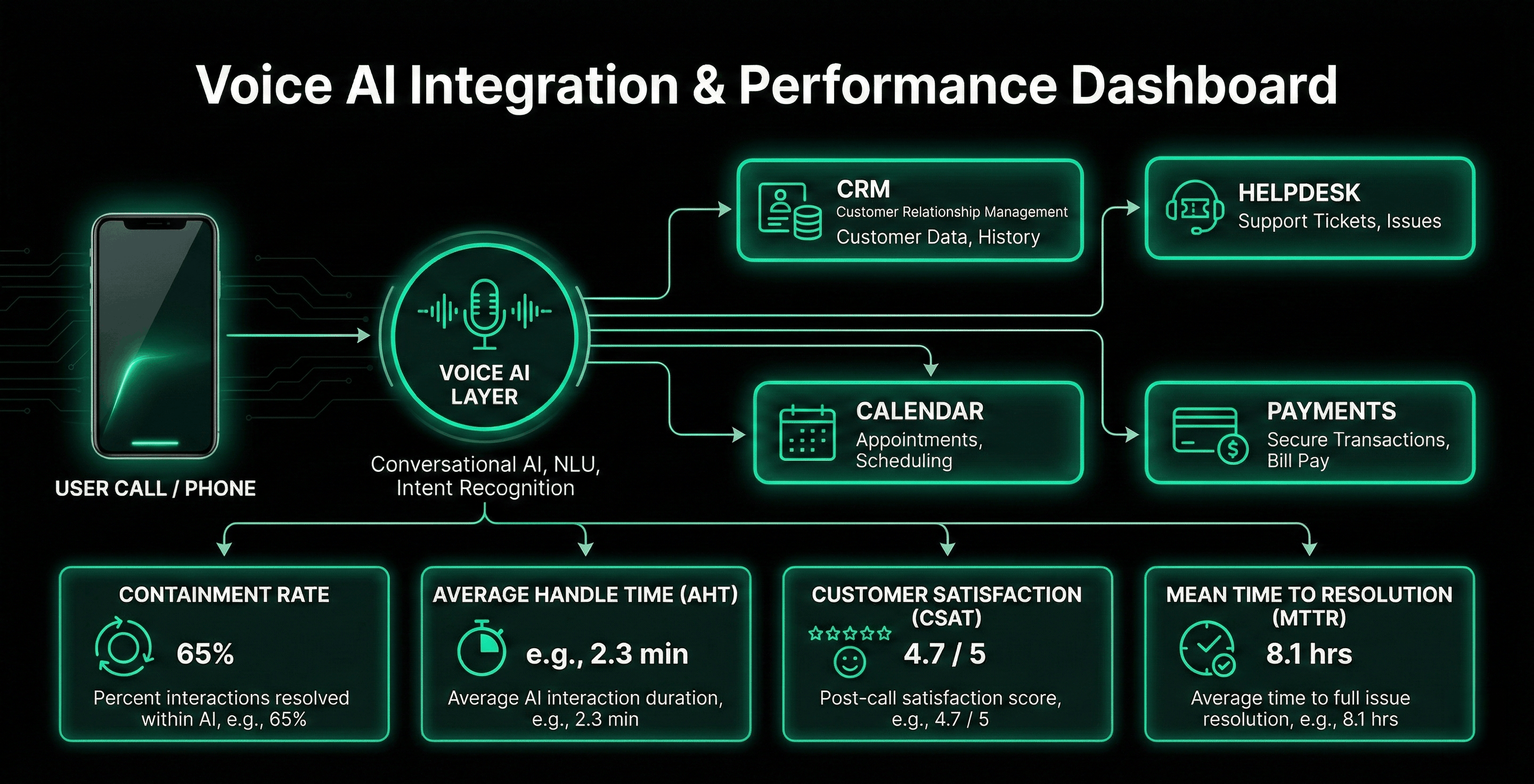
- Define success metrics: AHT, missed calls, SLA, CSAT, FCR
- Inventory phone numbers, extensions, IVR menus, and routing rules
- Validate integrations with CRM, helpdesk, and identity systems
- Confirm compliance requirements (recordings, retention, consent)
- Run a pilot program before the full rollout
- Train users and create a day-1 playbook
- Set up monitoring dashboards and escalation paths
What Most Teams Miss
- Buying features instead of solving real workflows
- Ignoring integration depth with CRM and support tools
- Underestimating compliance and retention requirements
- Skipping pilots and change management
How Saasence Helps
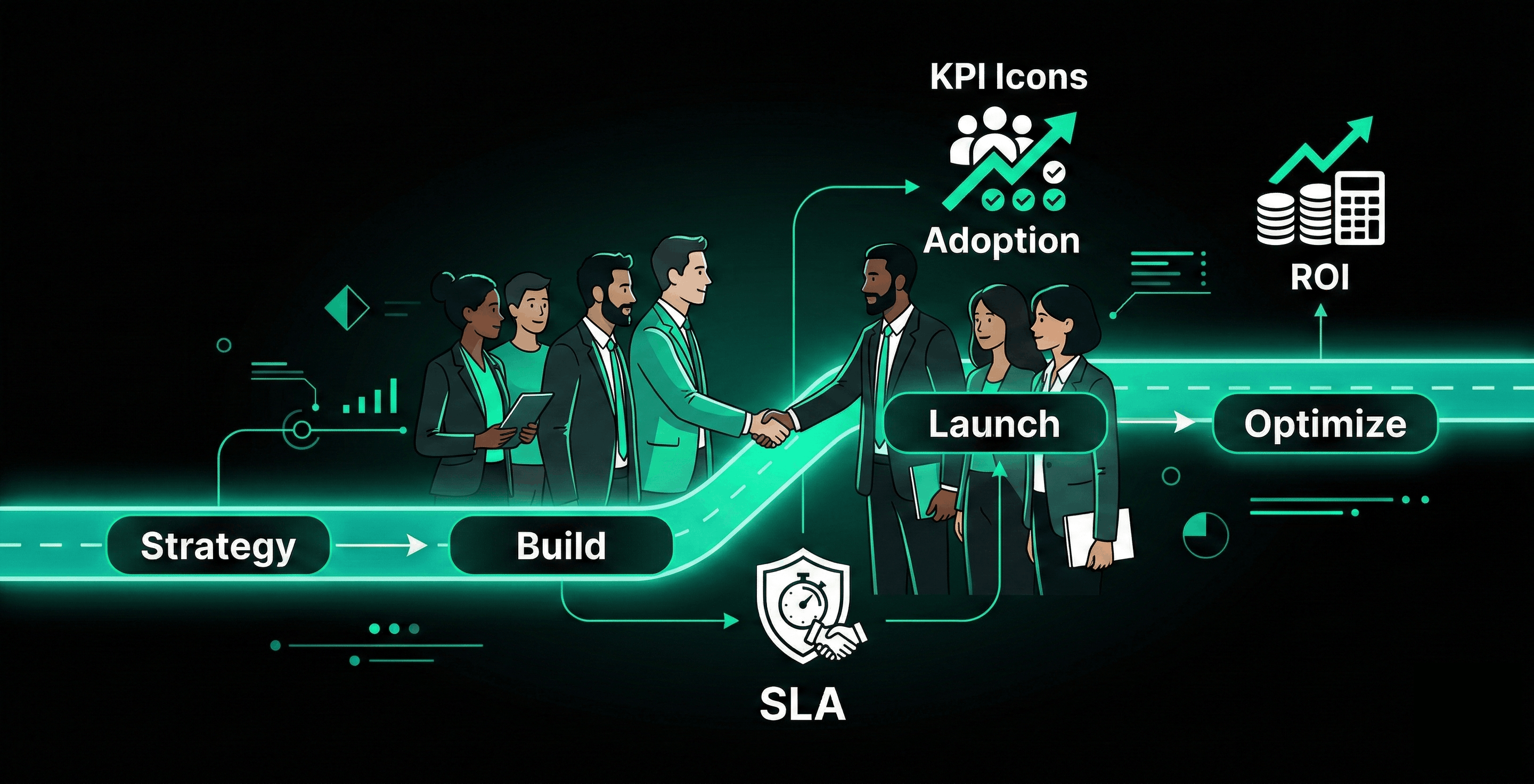
Saasence helps teams select and implement business phone systems with a focus on fit, integrations, and measurable outcomes. We run discovery sessions, map workflows, evaluate vendors against real requirements, and implement a phased rollout covering IVR design, CRM/helpdesk integrations, governance, and post-launch optimization.
Conclusion
The best business phone system is the one that fits your workflows, integrates cleanly with your existing stack, and scales as your organization grows. Use the shortlist above to narrow options quickly, validate your choice through a pilot, and deploy with clear governance and user training.
Ready to Get Started?
If you’re selecting a business phone system for 2026 and want to avoid slow deployments, hidden costs, or weak integrations, Saasence can help. We start with a quick discovery session to map your workflows, compliance needs, and “must-not-fail” requirements—then recommend a shortlist and implementation plan with clear milestones.