Building a Modern Omnichannel Contact Center: From Plan to Go-Live
Authored by
Saasence Editorial Team
Date Released
March 2, 2026
A contact center is no longer just a phone system—it’s the frontline of customer experience and revenue protection. This playbook shows how to design, implement, and optimize an omnichannel contact center with clear KPIs, strong integrations, disciplined security, and a rollout plan that delivers fast time-to-value.
Key Takeaways
- Start with business outcomes and KPIs, not tools and vendors.
- Use a phased rollout to reduce risk: design → pilot → scale → optimize.
- Invest early in journey design (routing, IVR, consistency across channels).
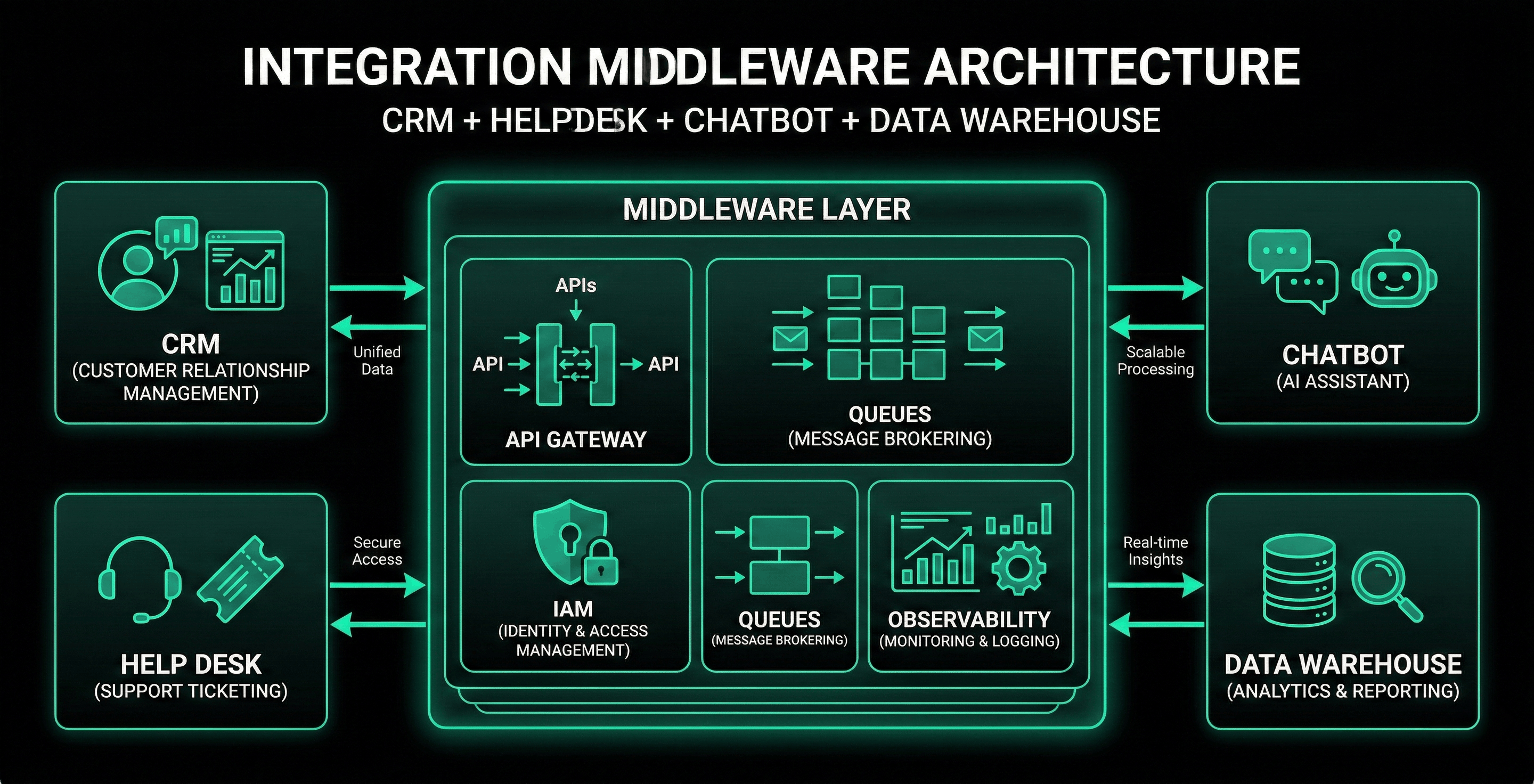
- Integrations (CRM/ERP/WFM) are the biggest driver of agent productivity and CX quality.
- Security, compliance, and governance must be built in—especially for recordings, transcripts, and PII.
What a “Modern” Contact Center Actually Means
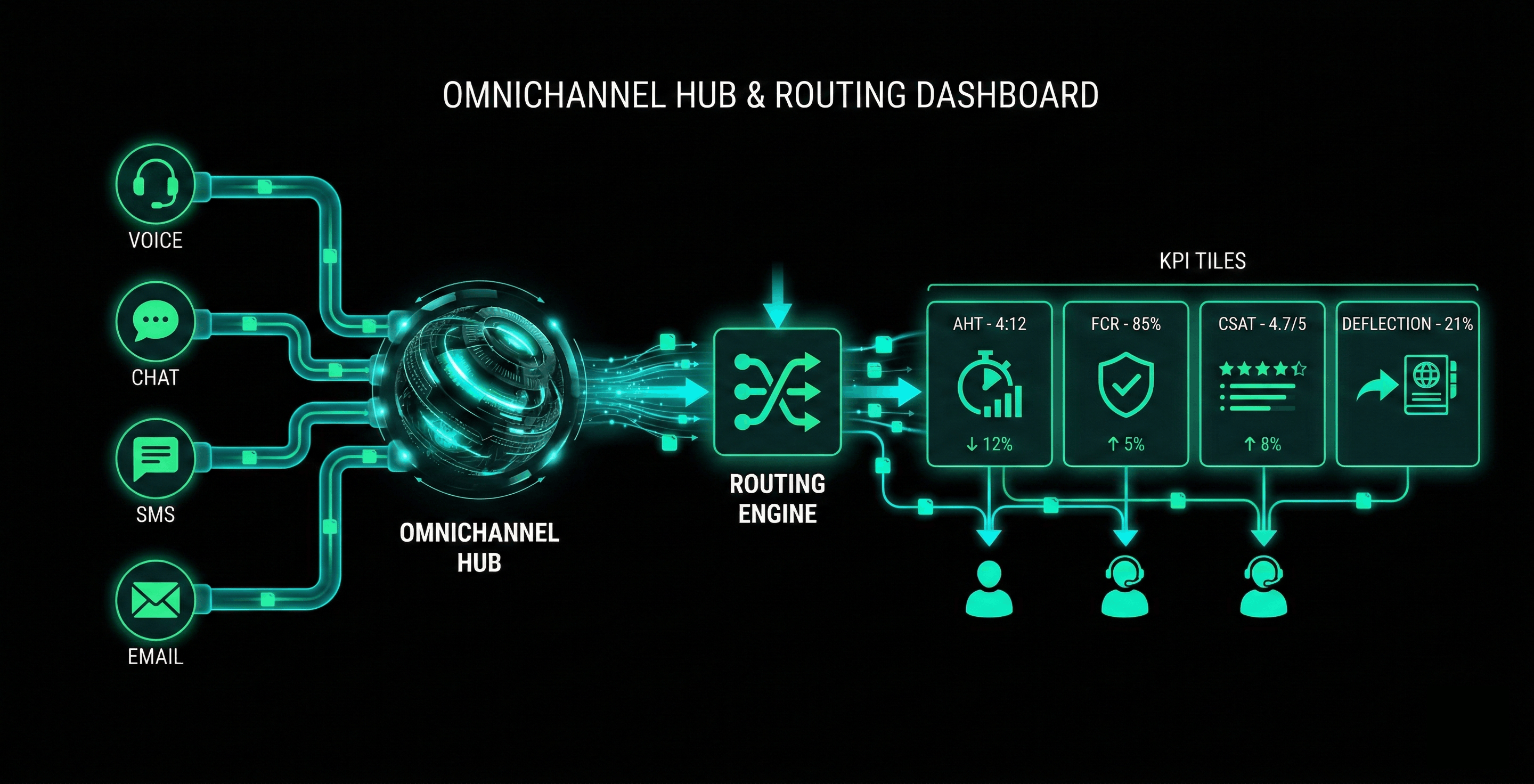
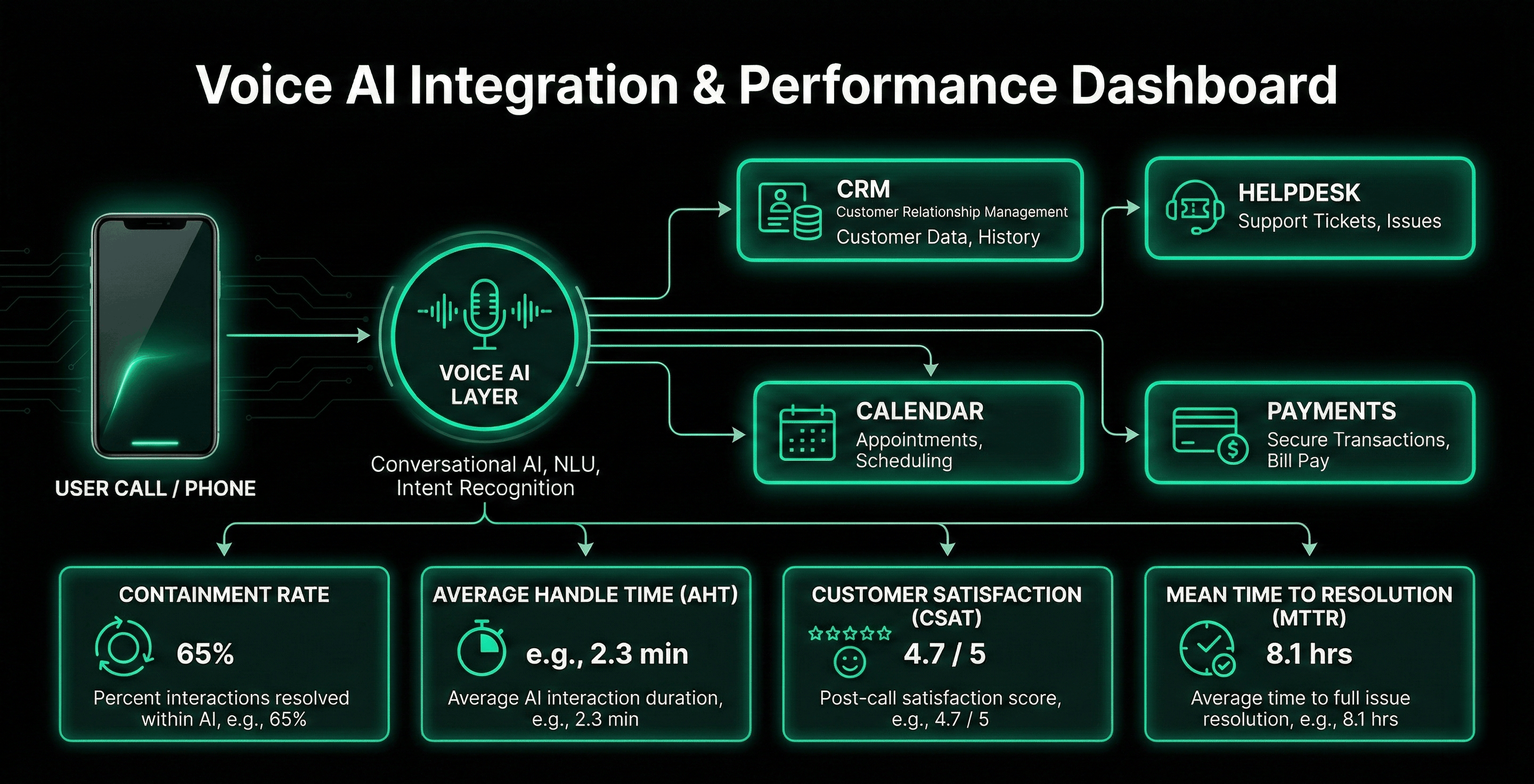
A modern contact center is an omnichannel engagement hub where customer conversations flow across voice, chat, email, SMS, and social—without losing context. The winning teams treat it as a system that connects:
- Customer context (CRM, order/billing, product usage)
- Routing logic (skills, intent, priority, SLA)
- Quality and analytics (conversation insights, coaching, compliance)
- Automation (self-service, deflection, summaries, follow-ups)
When these pieces work together, you reduce wait times, improve resolution speed, and lower the cost per contact.
Saasence Insight: Contact center ROI doesn’t come from “more channels.” It comes from consistent journeys, clean routing, and integrations that remove agent busywork.
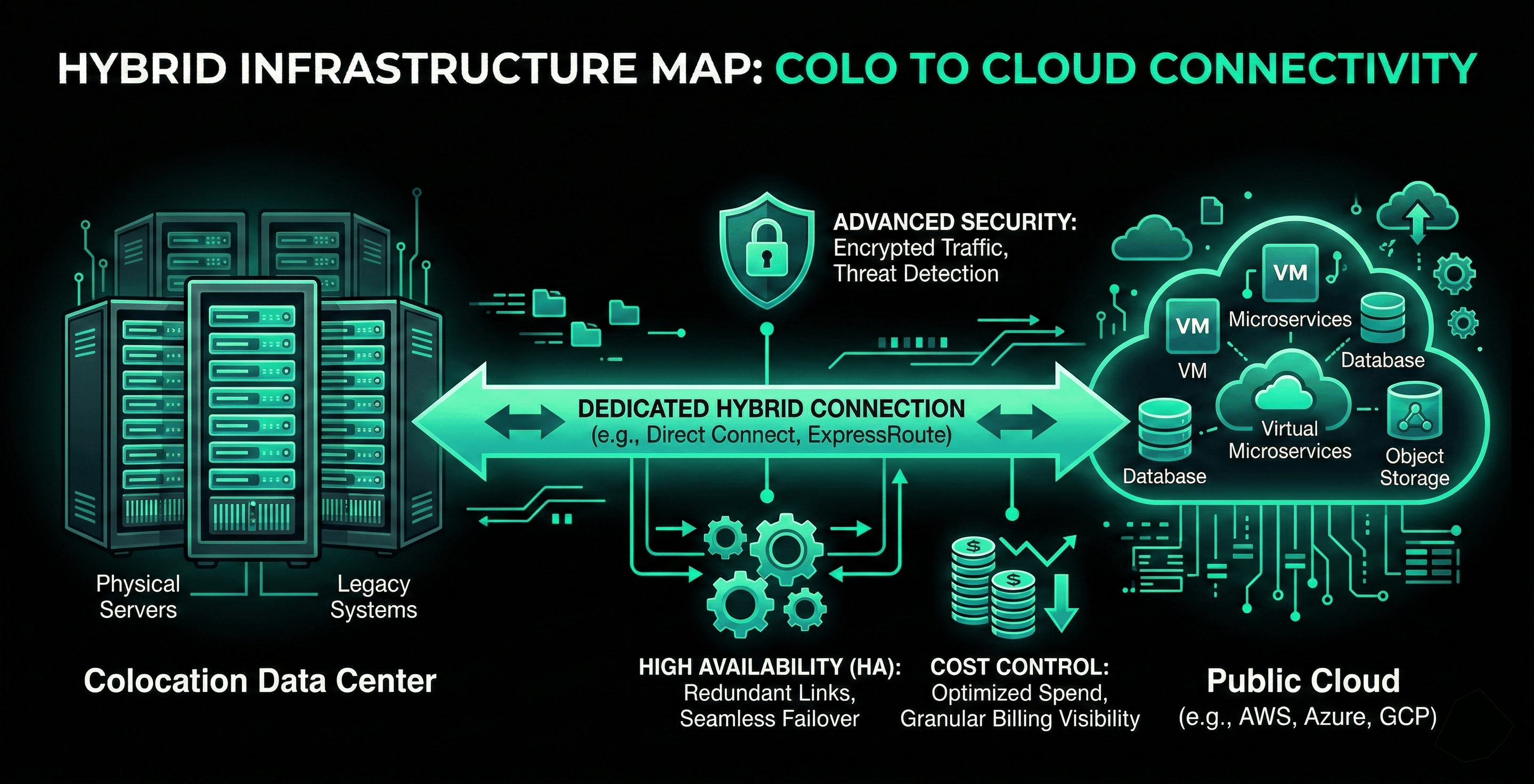
A Decision Framework: Cloud vs Hybrid vs On-Prem
Instead of choosing a platform first, choose the deployment model that fits your constraints.
Choose Cloud (CCaaS) if you need:
- Rapid rollout and easy scaling
- Remote/hybrid workforce support
- Faster feature adoption and lower infrastructure overhead
- Subscription-based cost control
Choose Hybrid if you need:
- Gradual migration from legacy systems
- Specific regional/data residency constraints
- A controlled transition without big-bang cutovers
Choose On-Prem if you require:
- Highly restrictive compliance or local control mandates
- Custom infrastructure constraints in regulated environments
Decision tip: If omnichannel + AI + analytics are priorities, cloud or hybrid usually wins because iteration speed matters.
Blueprint for Implementation: From Requirements to Rollout
1) Outcome Definition + KPI Baseline
Start with what success looks like and how you’ll measure it.
Recommended KPIs to baseline
- Average Handle Time (AHT)
- First Contact Resolution (FCR)
- Service level (e.g., % answered within target)
- Abandonment rate
- CSAT / NPS
- Digital deflection rate
2) Workflow and Channel Architecture
Map current-state pain points and define the future state including peak volumes, channel mix, escalation paths, and SLA tiers by customer segment or issue type.
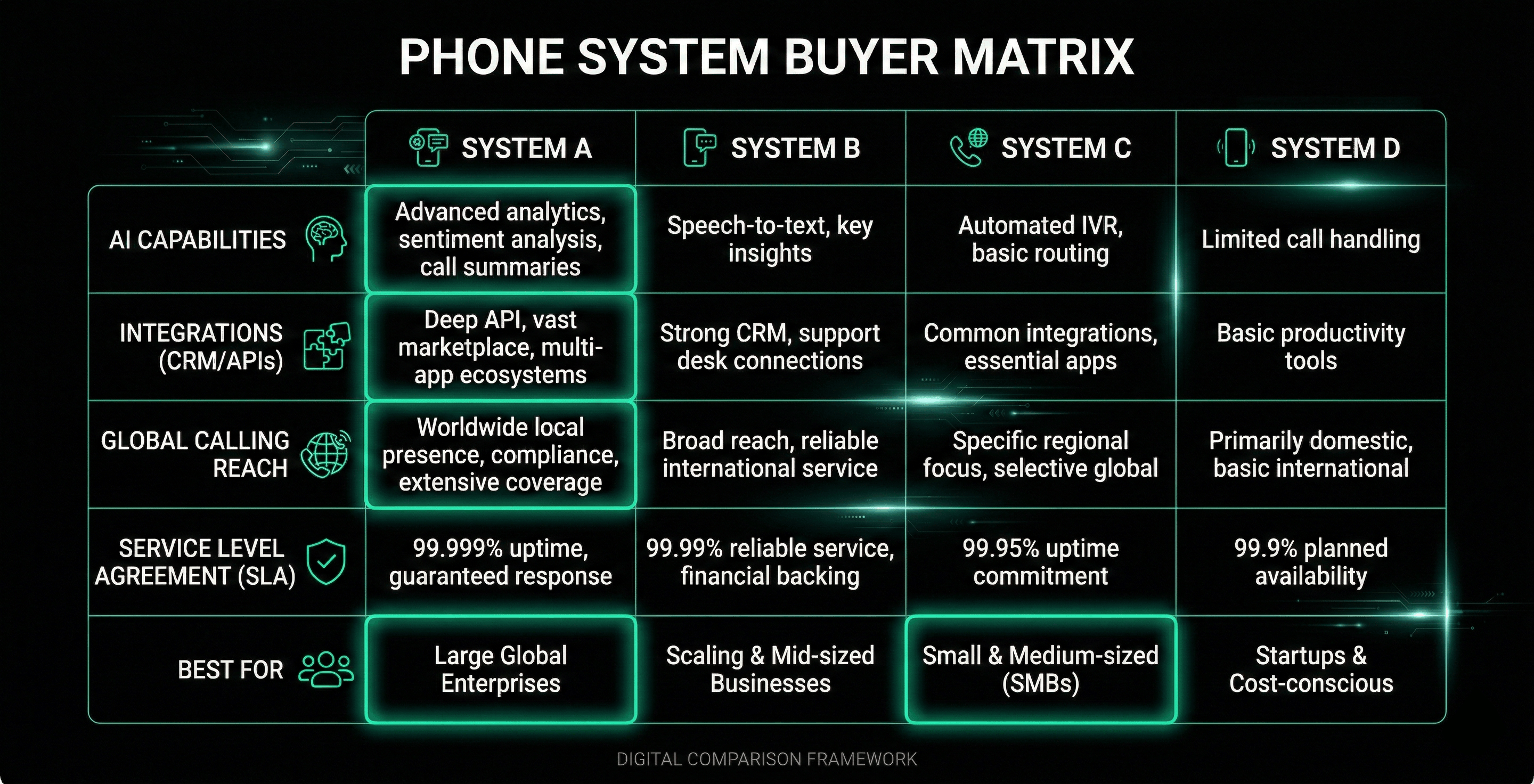
3) Vendor Selection (Without Overbuying)
Build a requirements matrix that prioritizes:
- Omnichannel coverage
- Integration capabilities (API-first)
- Analytics and reporting depth
- Security posture and certifications
- Commercial flexibility and scalability
4) Phased Delivery Plan
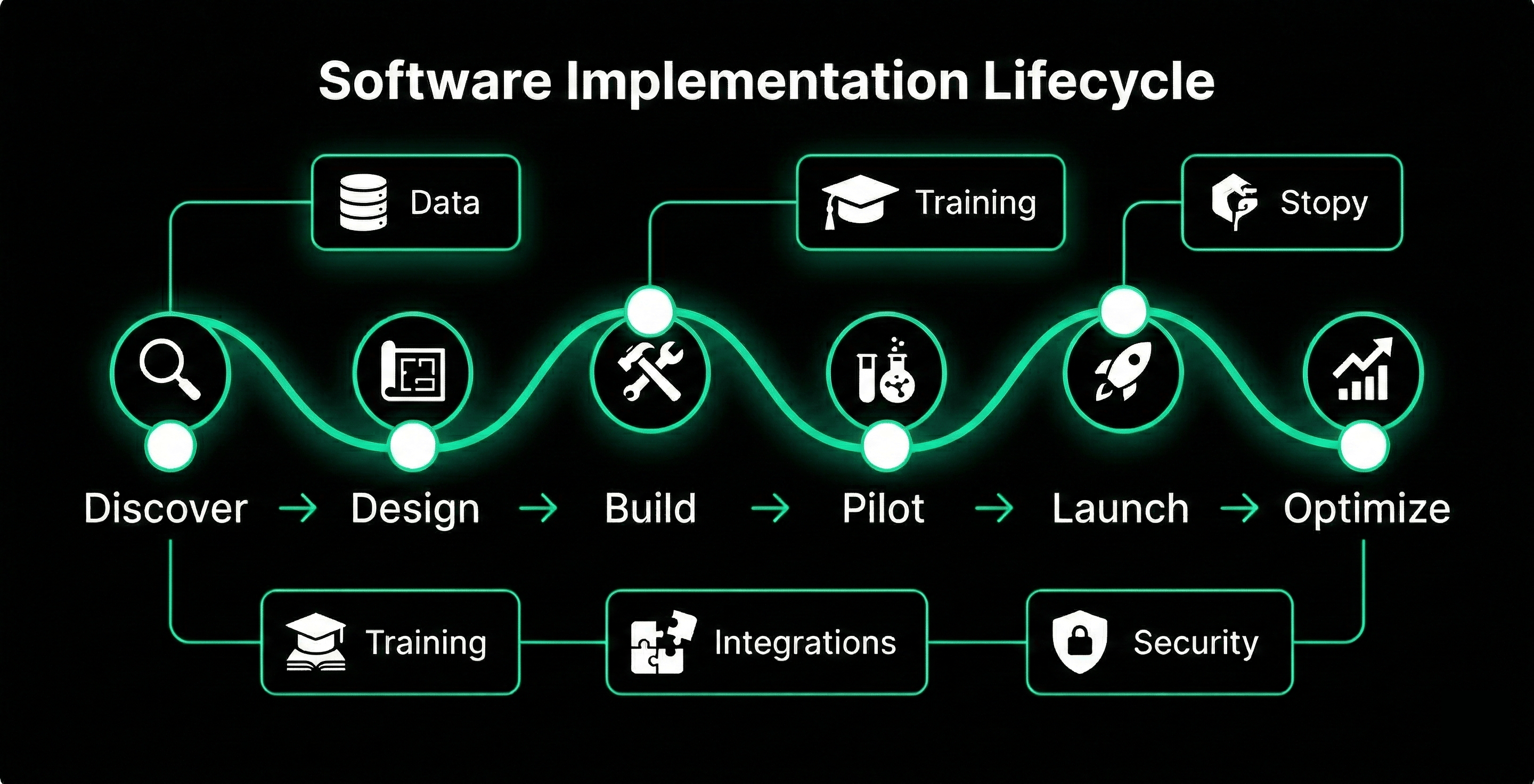
Use a phased implementation to reduce risk:
- Pilot: small agent group + limited intents
- Scale: expand by team, region, or channel
- Optimize: refine routing, bots, and QA based on real data
Designing Journeys That Reduce Cost per Contact
Routing + IVR Best Practices
- Keep IVR options minimal
- Use intent-based routing where possible
- Offer callbacks during long queues
- Ensure channel handoffs don’t reset context
AI Assist (Practical, Not Overhyped)
- Intent detection and knowledge article suggestions
- Automated summaries after interactions
- Draft replies and disposition suggestions
- Self-service bots for repeat high-volume requests
Security + Compliance: What to Bake In From Day One
Contact centers handle sensitive customer data such as recordings, transcripts, payments, and identity signals. Security and compliance must be designed early, not patched later.
Controls to implement from day one
- Encryption in transit and at rest
- Role-based access control + MFA
- Audit logs for admin actions and data access
- Data retention rules for recordings and transcripts
- PII and payment data redaction strategies
Checklist: Launch Readiness in 30 Minutes
- KPIs defined and baselines captured
- Routing and IVR flows tested
- CRM integrations validated end-to-end
- Peak load tests completed
- Agent training completed
- Security controls active
- Data retention rules confirmed
- Launch hypercare plan defined
What Most Teams Miss
- Treating this as a telephony upgrade instead of CX transformation
- Underestimating integrations
- Skipping change management
- Not planning for iteration
- Weak governance for recordings and transcripts
Mini Scenario: A Realistic Rollout Plan
A services company wants to move from voice-only support to omnichannel (voice + chat + email), reduce abandonment, and improve FCR.
A low-risk rollout approach:
- Pilot chat for high-volume intents
- Add callback options during peak hours
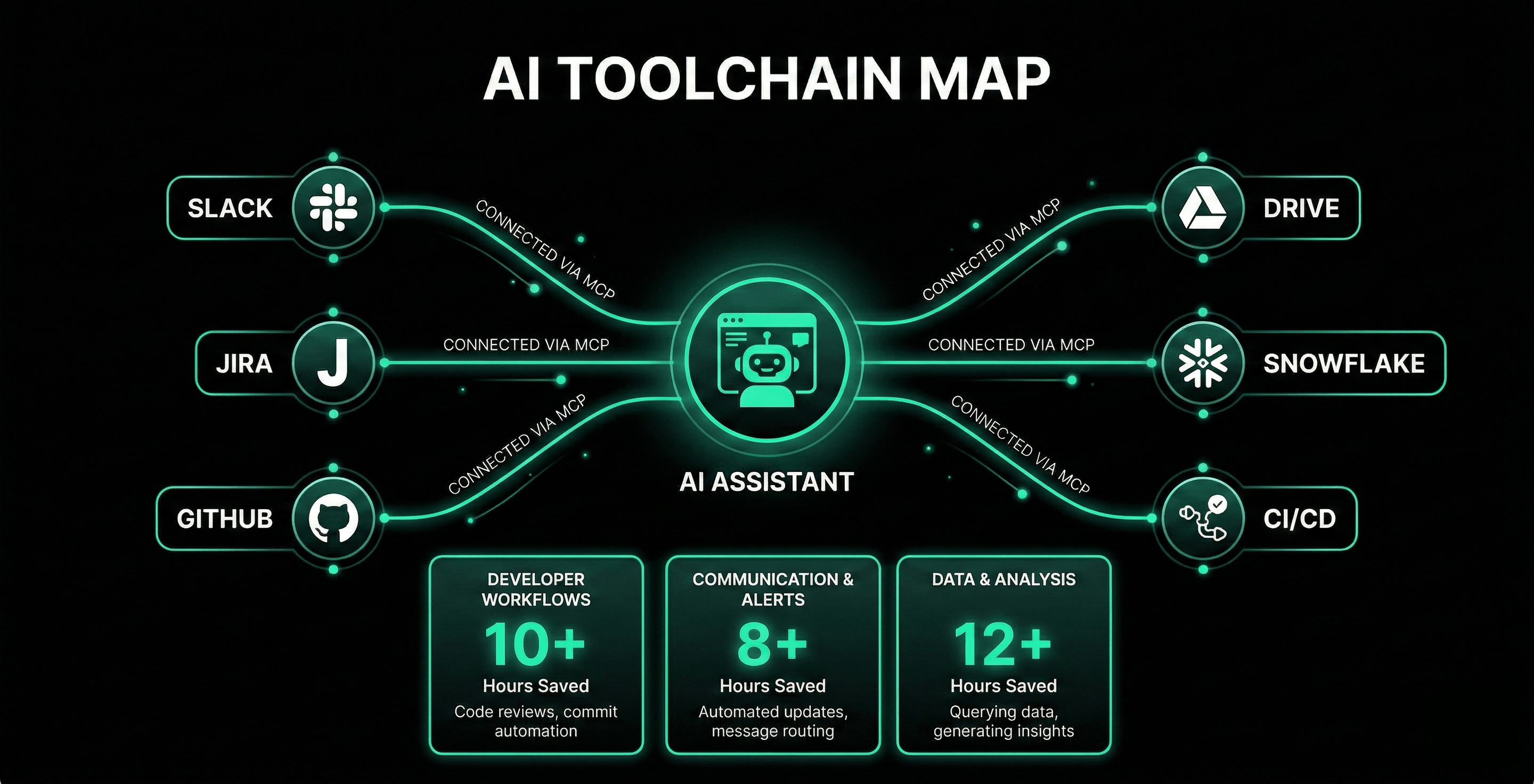
- Integrate CRM context and case automation
- Introduce AI summaries and standardized dispositions
- Expand channels based on CSAT and cost-per-contact
How Saasence Helps
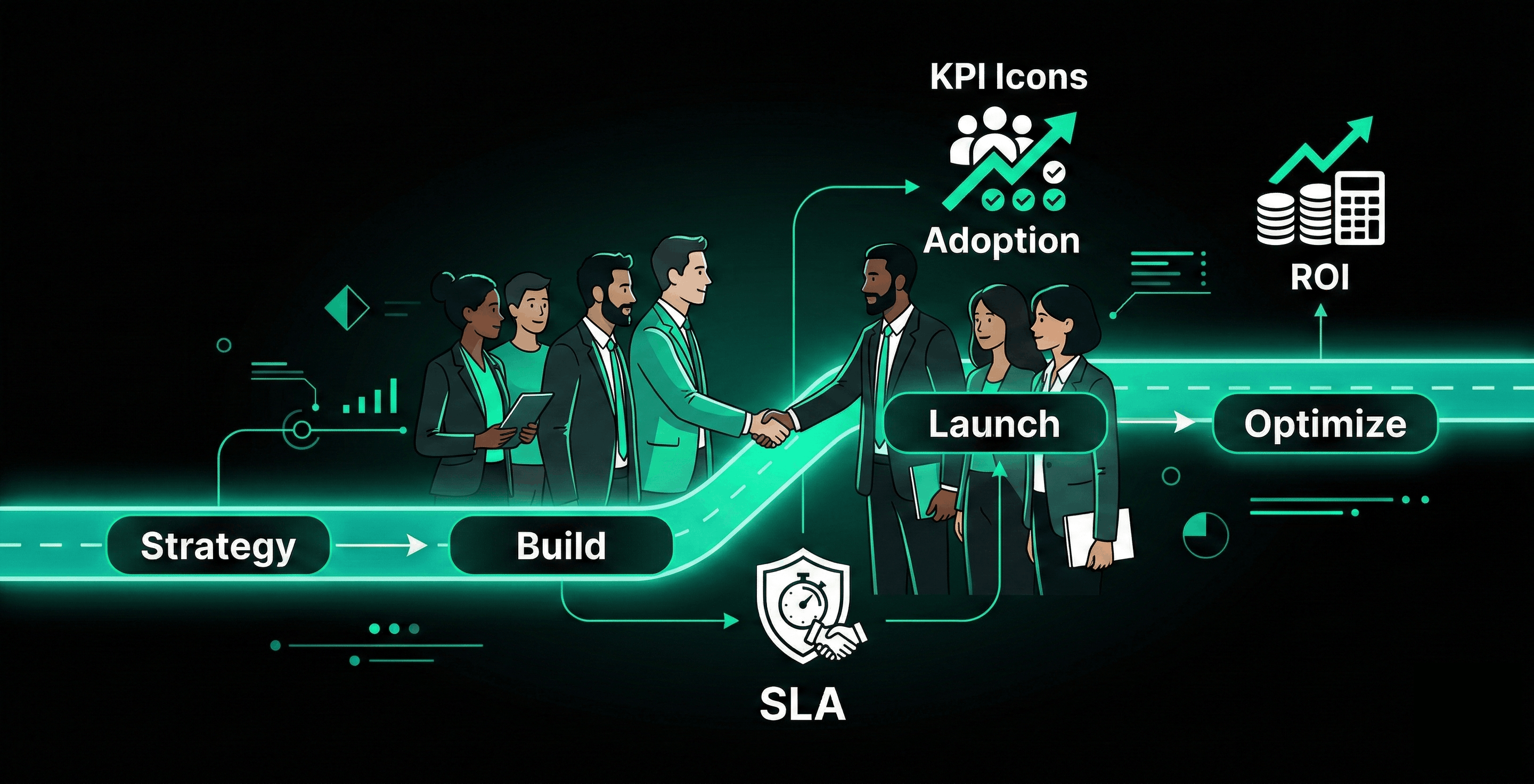
Saasence helps businesses plan and implement contact center transformations with a focus on outcomes, adoption, and operational reliability. We support requirements discovery, journey design, integrations, security controls, phased rollout, and post-go-live optimization.
Conclusion
A modern contact center succeeds when strategy, workflows, technology, and adoption move together. Start with outcomes and KPIs, choose the right deployment model, design journeys that reduce friction, integrate systems for agent productivity, and launch with governance and change management built in.
Ready to Get Started?
If you’re planning a new contact center or modernizing an existing one, Saasence can help you turn requirements into a rollout plan with clear KPIs and measurable ROI.