Why Delaying AI Adoption Is a Strategic Risk to Business Growth
Authored by
Saasence Editorial Team
Date Released
March 2, 2026
AI is no longer a “future bet”—it’s becoming a baseline capability across operations, customer experience, and decision-making. The real risk isn’t adopting AI and failing. The bigger risk is waiting while competitors build skills, workflows, and governance that compound over time. This guide explains what that risk looks like and how to adopt AI safely with measurable outcomes.
Key Takeaways
- AI advantage compounds over time through data readiness, skills, and workflow integration.
- The best early wins come from automation and decision support inside existing tools.
- Responsible adoption requires governance frameworks such as NIST AI RMF and ISO/IEC 42001.
- Organizations report measurable ROI when generative AI is tied to growth initiatives.
- A structured 90-day adoption plan reduces risk and accelerates measurable outcomes.
The New Reality: AI Is Becoming Table Stakes
A few years ago, AI was a differentiator. In 2026, it is increasingly becoming a baseline capability embedded in everyday operations—handling support tickets, forecasting demand, qualifying leads, summarizing customer conversations, detecting anomalies, and generating insights from business data.
Industry research shows AI adoption continues expanding across functions, but scaling varies significantly between organizations. This creates a growing separation between companies that operationalize AI and those that keep it experimental.
Saasence Insight: The goal is not simply to “use AI.” The real objective is to build AI-enabled operating leverage—more throughput, faster decisions, and improved customer experience without proportional headcount growth.
The Compounding Cost of Waiting
Delaying AI adoption may feel safe because it avoids change. However, it creates hidden competitive costs that compound over time.
1) Competitors Build Workflow Advantage
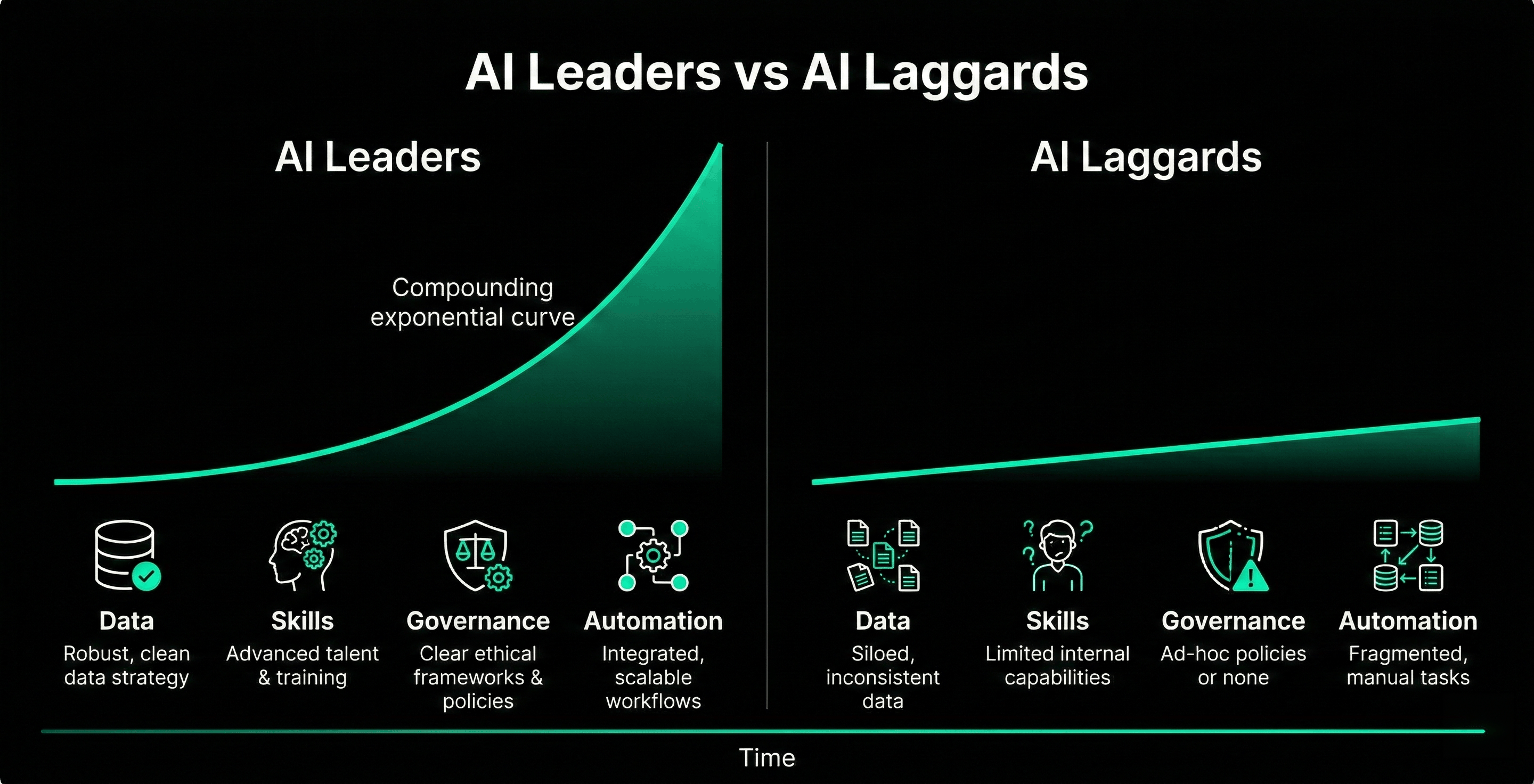
Early adopters redesign workflows around AI. Over time, they deliver faster, respond faster, and innovate more frequently.
2) Skills and Governance Mature Slower
Organizations adopting AI now develop expertise in prompt design, evaluation, monitoring, governance, and change management. Late adopters are forced to learn under competitive pressure.
3) Data Readiness Becomes a Bottleneck
AI amplifies the quality of existing data. If data sources are fragmented or inconsistent, scaling later becomes significantly harder.
4) Barriers to Entry Rise
As AI becomes embedded into products and operations, catching up becomes a multi-quarter transformation across people, processes, and platforms.

The AI adoption gap compounds over time as leaders build skills, data readiness, and workflow integration faster than laggards.
Where AI Creates ROI First
The fastest ROI typically comes from high-volume workflows that are repetitive, measurable, and already supported by digital systems.
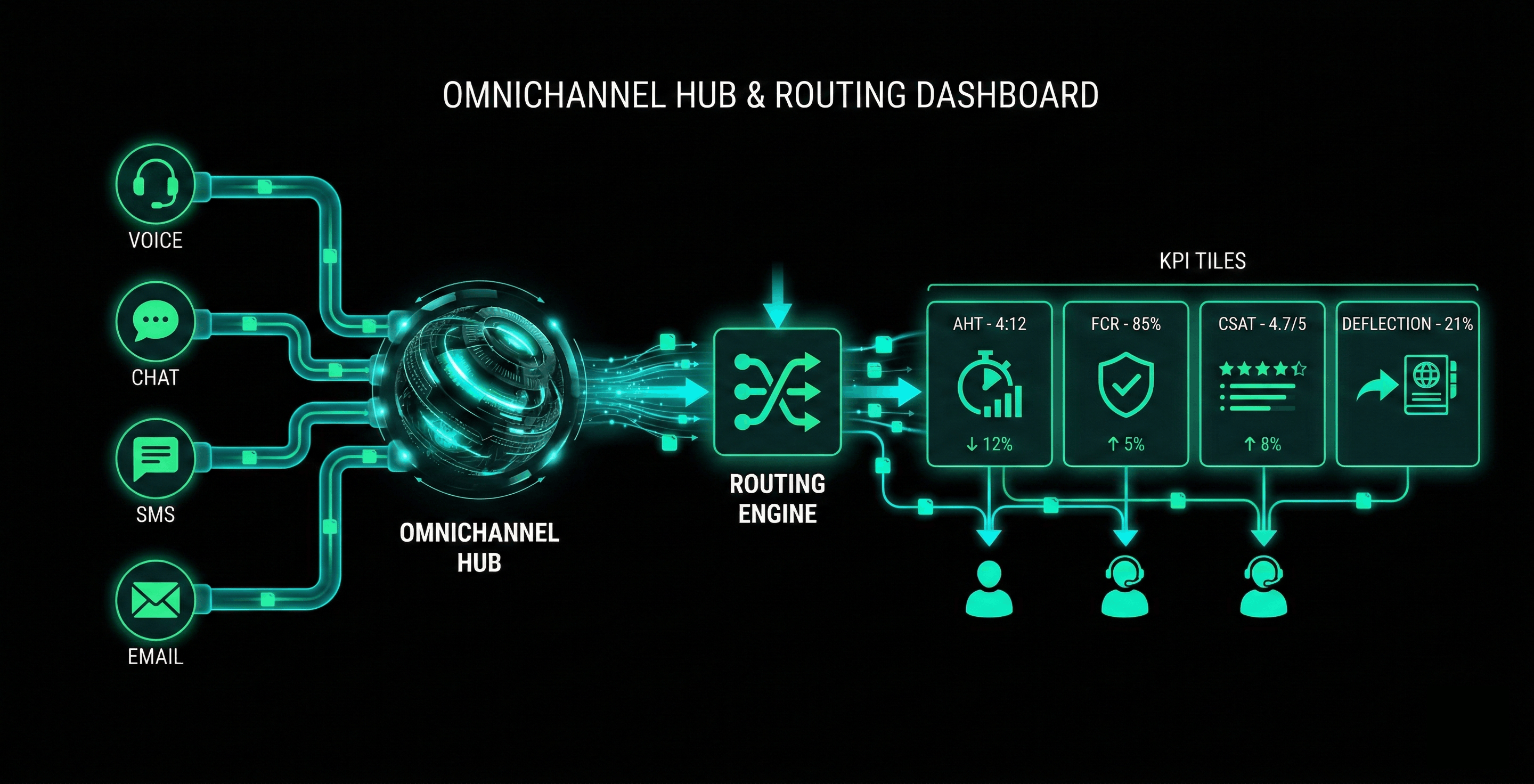
1) Customer Support and Service Operations
- Automated ticket triage and routing
- Self-service deflection for common issues
- Agent copilots for summaries and knowledge search
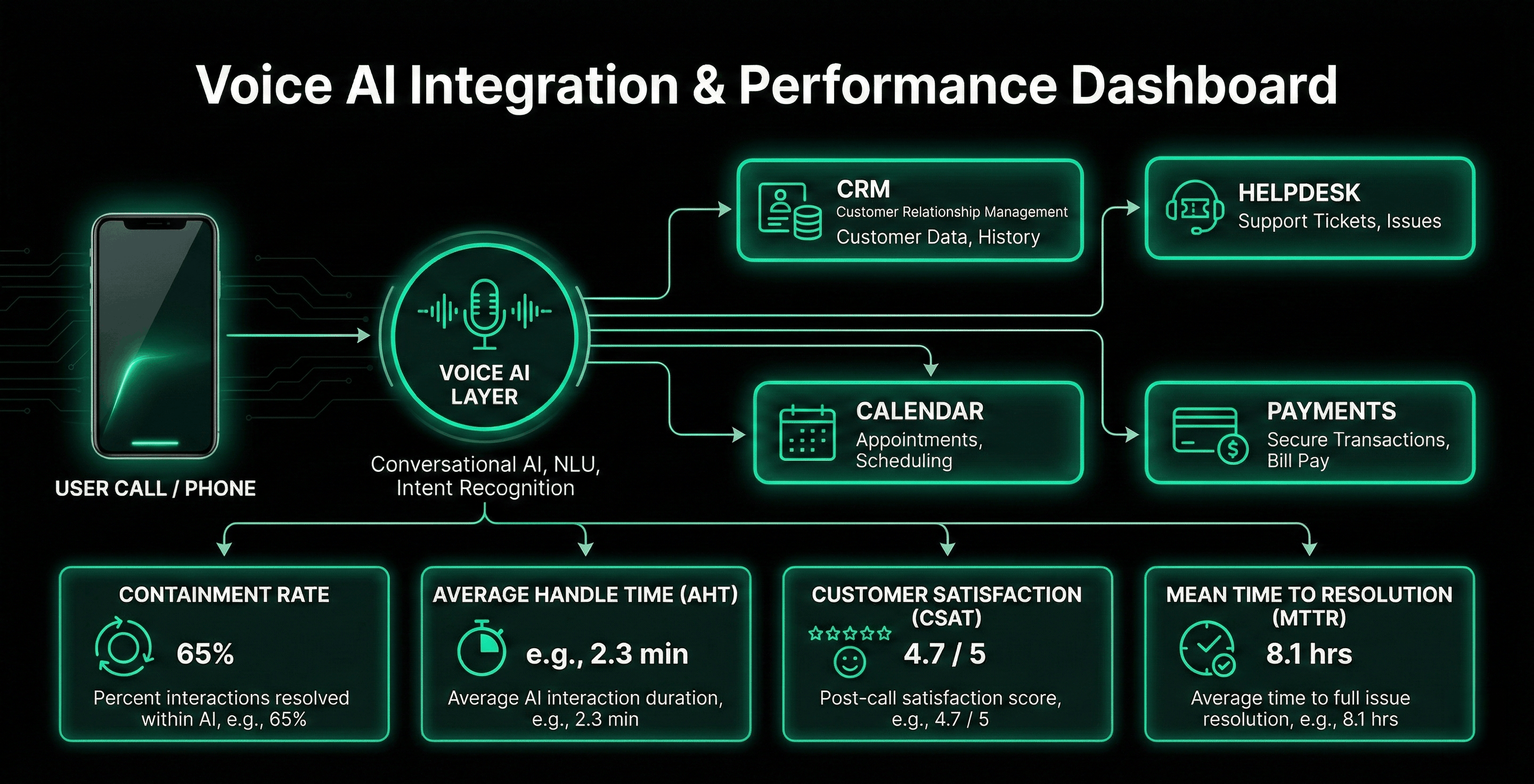
KPIs: AHT, deflection rate, first-contact resolution, CSAT.
2) Sales and Revenue Operations
- Lead scoring and prioritization
- Email and call summarization directly into CRM
- Deal risk signals and next-best action recommendations
KPIs: speed-to-lead, conversion rate, cycle time, forecast accuracy.
3) Finance and Back-Office Automation
- Invoice extraction and categorization
- Anomaly detection and exception handling
- AI support for faster month-end close
KPIs: processing time, exception rate, close cycle time.
4) Operations and Supply Chain
- Demand forecasting and capacity planning
- Inventory optimization insights
- Route and logistics optimization
KPIs: stockouts, waste reduction, variance, SLA compliance.
5) IT and Security
- Alert correlation and prioritization
- Automated remediation of routine issues
- Access anomaly detection
KPIs: MTTD, MTTR, repeat incidents, patch SLA adherence.
Governance: How to Adopt AI Without Creating Risk
Responsible AI adoption is primarily a design challenge rather than a policy exercise.
Two widely referenced governance frameworks include the NIST AI Risk Management Framework (AI RMF) and ISO/IEC 42001, which defines management system standards for AI governance.
Minimum Controls to Implement
- Role-based data access and least-privilege policies
- Logging and audit trails for AI actions
- Evaluation pipelines and human-in-the-loop validation
- Security controls such as encryption and secrets management
- Change management with training and adoption support
Saasence Insight: Governance is not a barrier to innovation—it is what turns AI from a fragile pilot into a dependable production capability.
A Practical 90-Day AI Adoption Plan
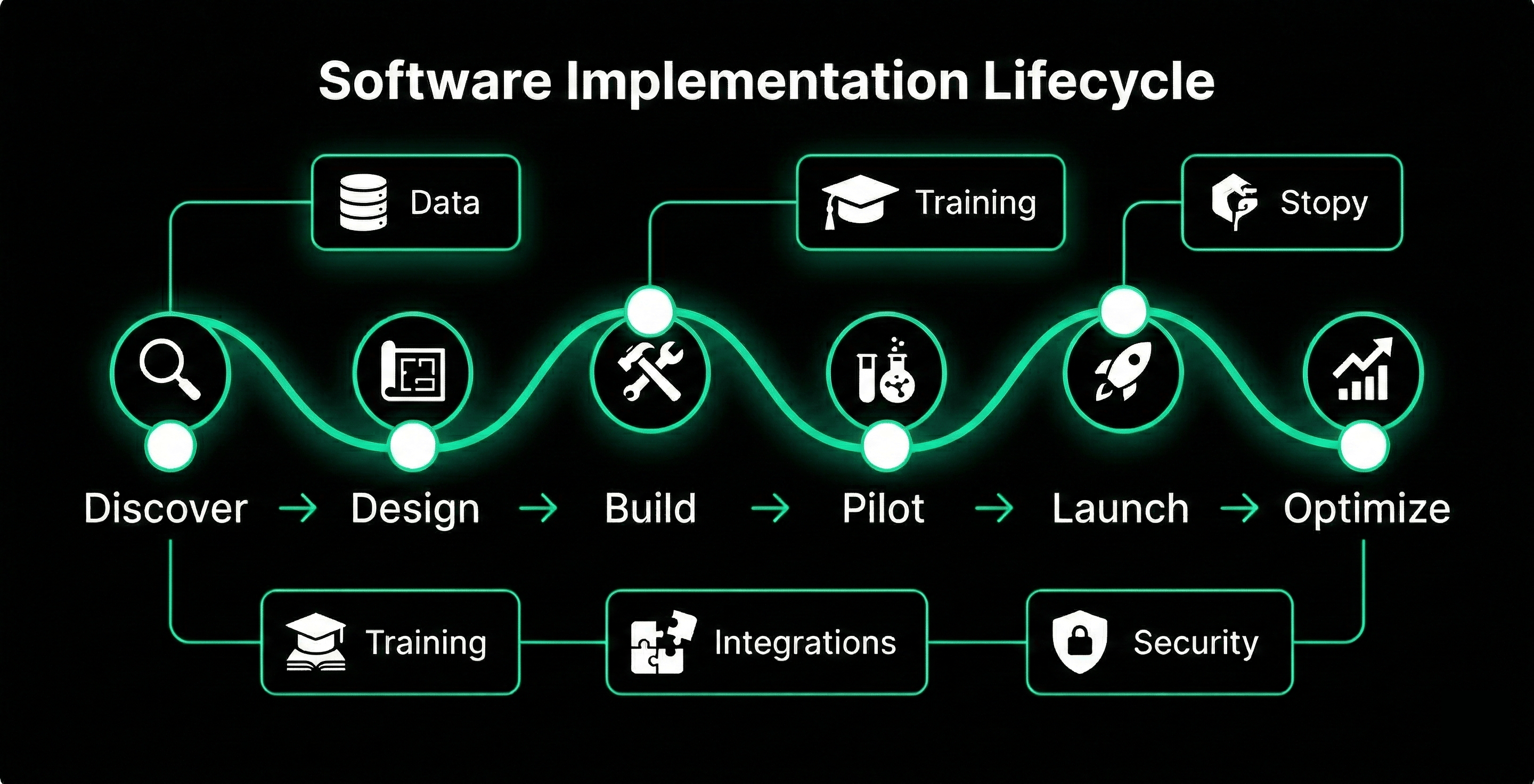
Days 1–14: Identify the Right First Use Case
- Select a high-volume workflow with measurable pain
- Define success metrics such as time saved or error reduction
- Validate data sources and integration feasibility
Days 15–45: Build a Controlled Pilot
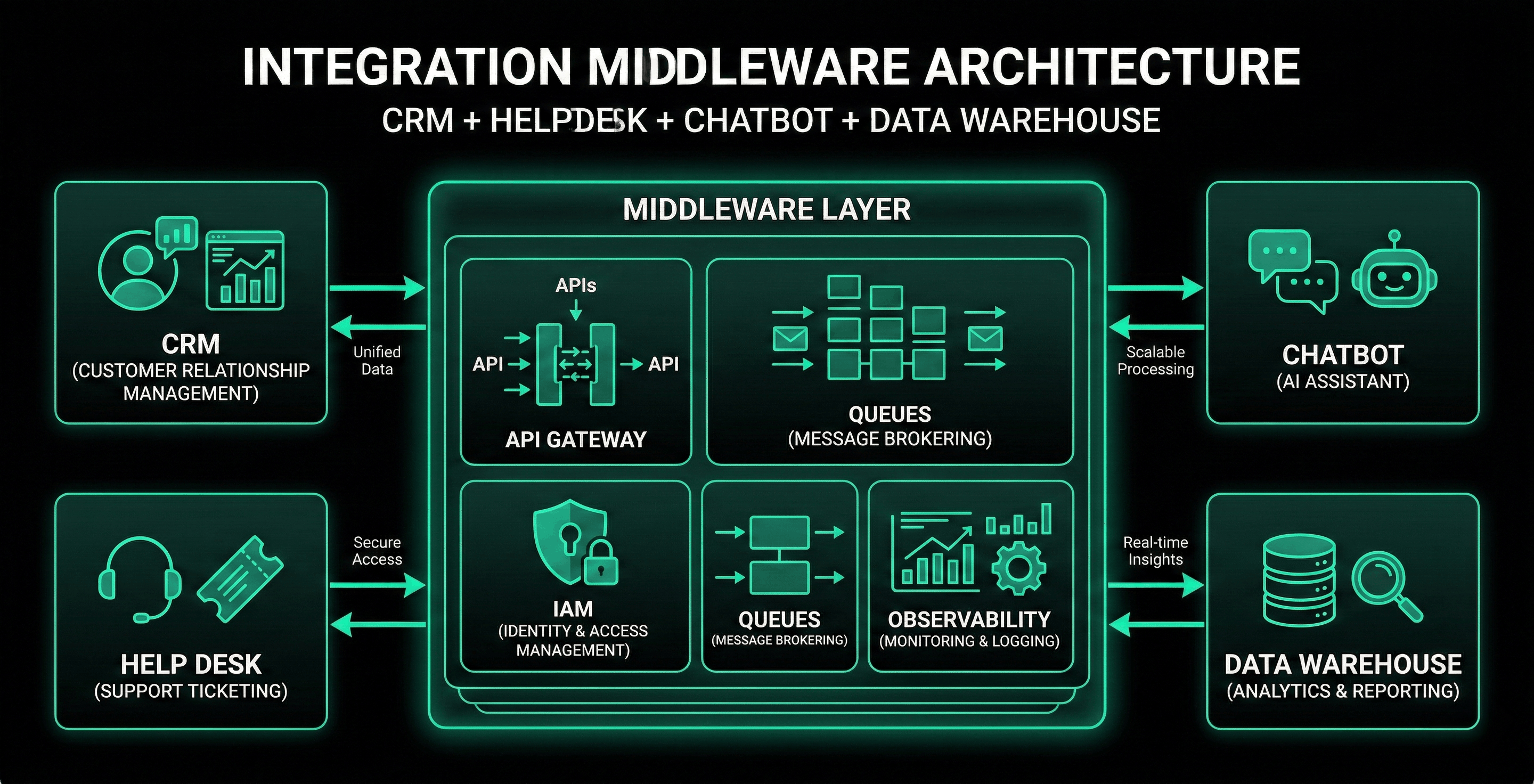
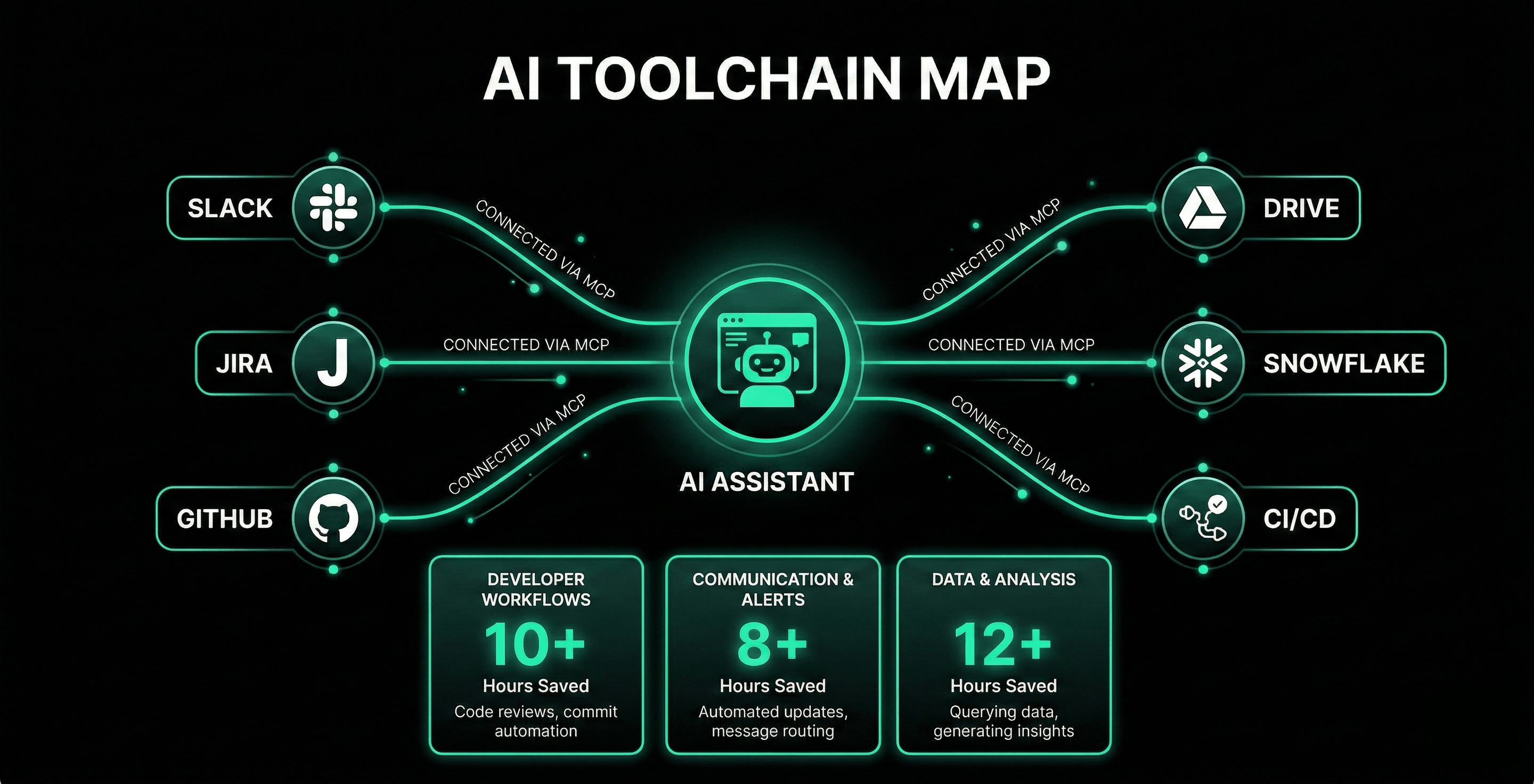
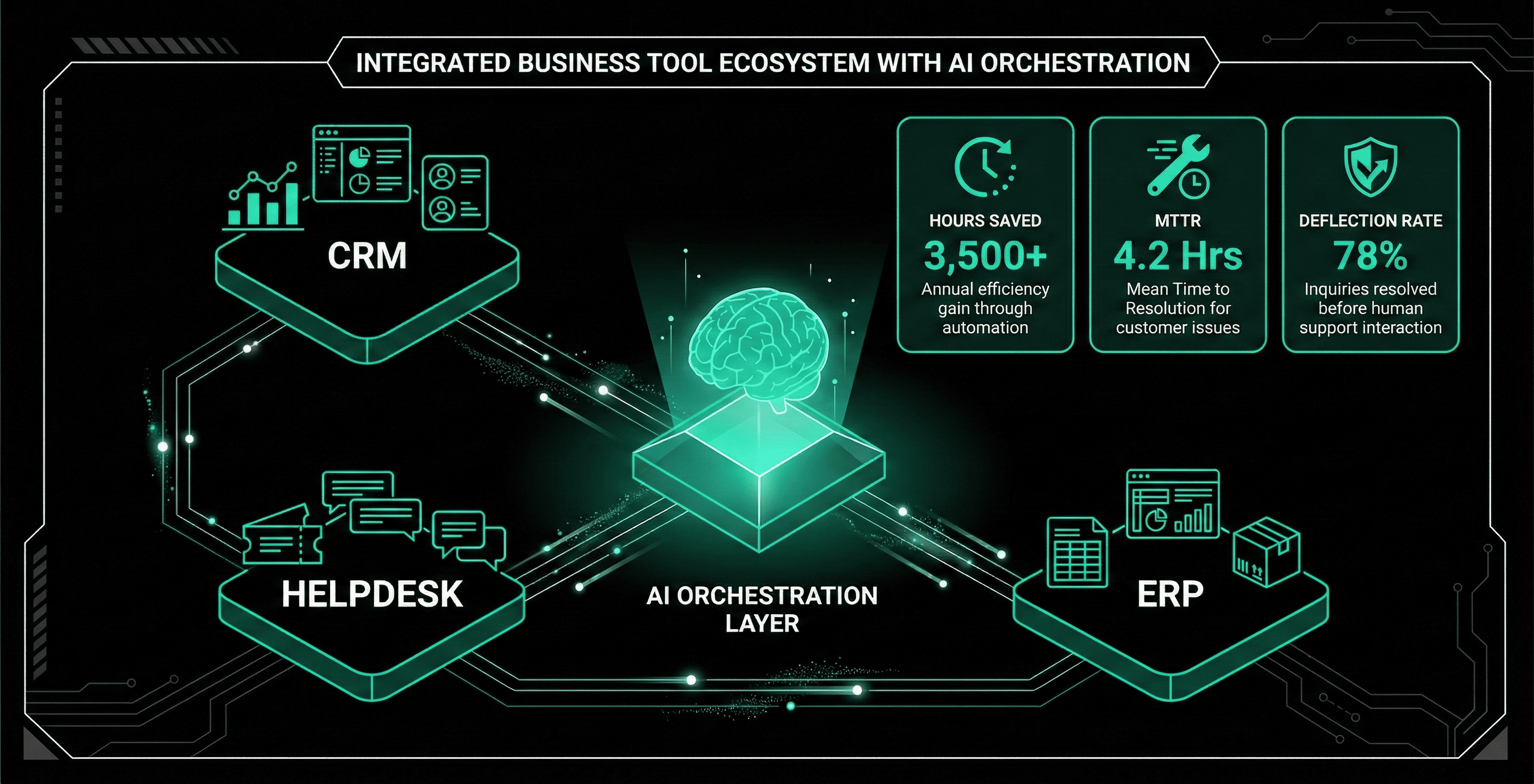
- Integrate AI into existing systems (CRM, helpdesk, knowledge base)
- Add guardrails and human approvals where risk is higher
- Monitor performance, errors, and escalation patterns
Days 46–75: Measure and Refine
- Compare baseline vs pilot performance metrics
- Refine prompts, models, and workflow design
- Create playbooks for broader rollout
Days 76–90: Scale the Pattern
- Expand into adjacent workflows
- Standardize governance and evaluation frameworks
- Establish a quarterly optimization cadence
Checklist: AI Adoption Readiness
- Clear business objective and accountable owner
- Defined KPIs with baseline metrics
- Validated data sources and access policies
- Integration plan so AI operates within existing tools
- Governance controls such as RBAC and audit logging
- Defined pilot scope and rollback strategy
- Training and adoption support plan
Conclusion
Delaying AI adoption is not neutral—it increases competitive risk. Organizations that begin with one measurable workflow, deploy responsibly with governance, and scale through repeatable patterns build operational advantages that are difficult for competitors to replicate later.
Ready to Get Started?
If you are considering AI but want a structured approach that avoids stalled pilots and focuses on measurable outcomes, Saasence can help.