AI Automation for Real Operations: Where to Start, What to Build, and How to Scale
Authored by
Saasence Editorial Team
Date Released
March 2, 2026
AI automation isn’t about flashy demos it’s about removing bottlenecks, cutting operational overhead, and helping teams move faster without adding headcount. In this guide, you’ll learn the highest-ROI areas to automate, how to choose the right approach (RPA vs ML vs GenAI), and a practical rollout plan that scales safely.
Key Takeaways
- Start with one high-volume workflow and a clear KPI (time saved, error rate, MTTR).
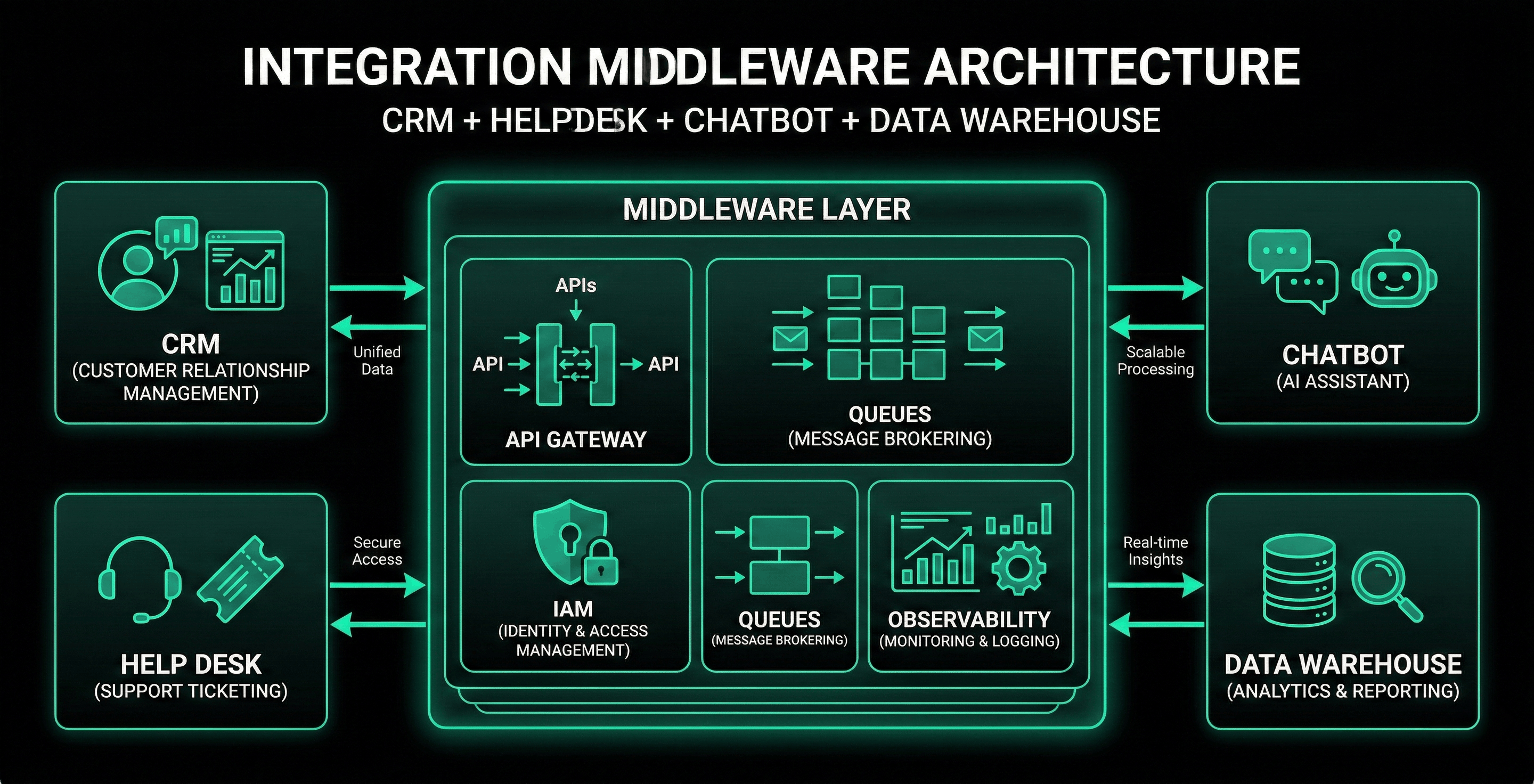
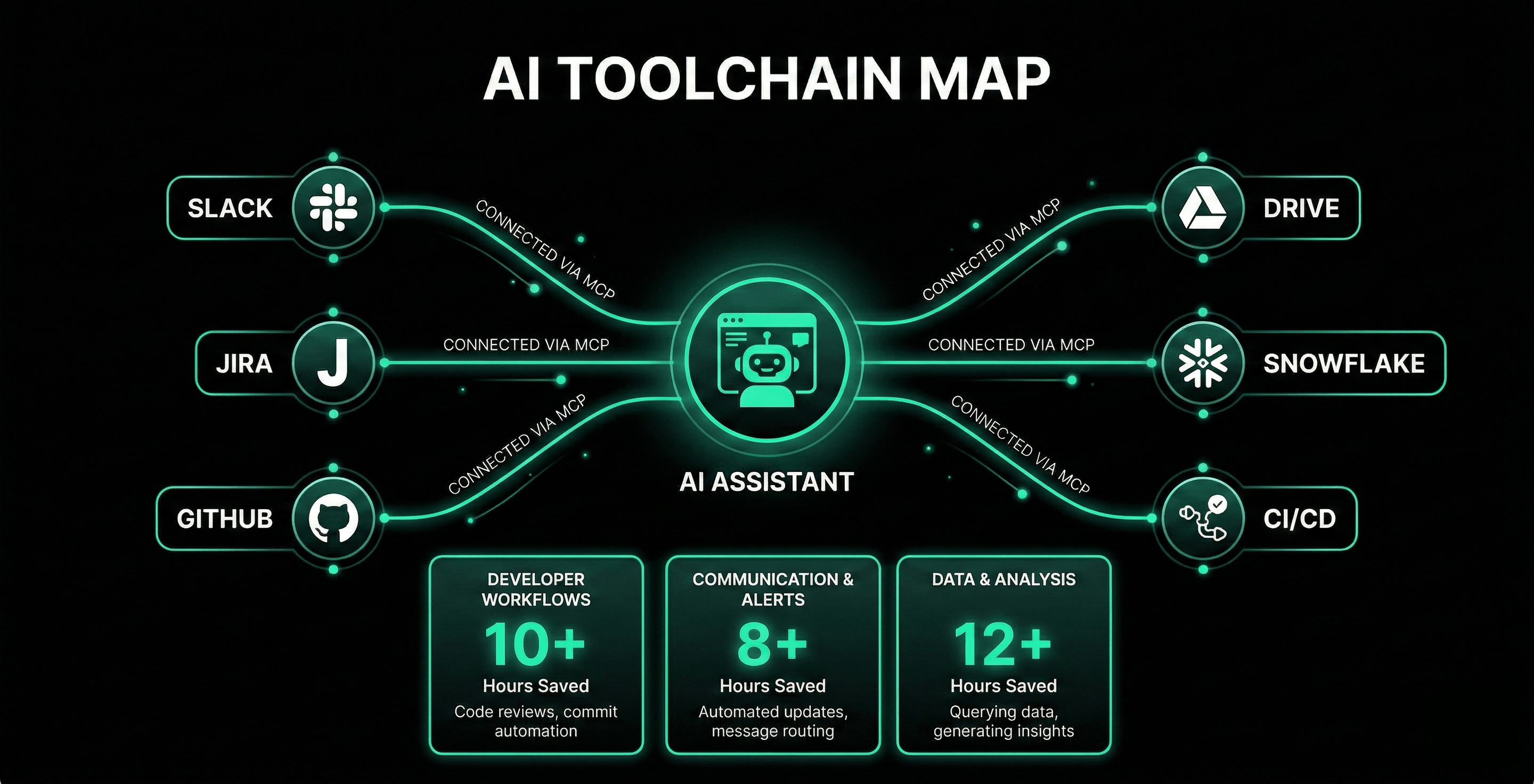
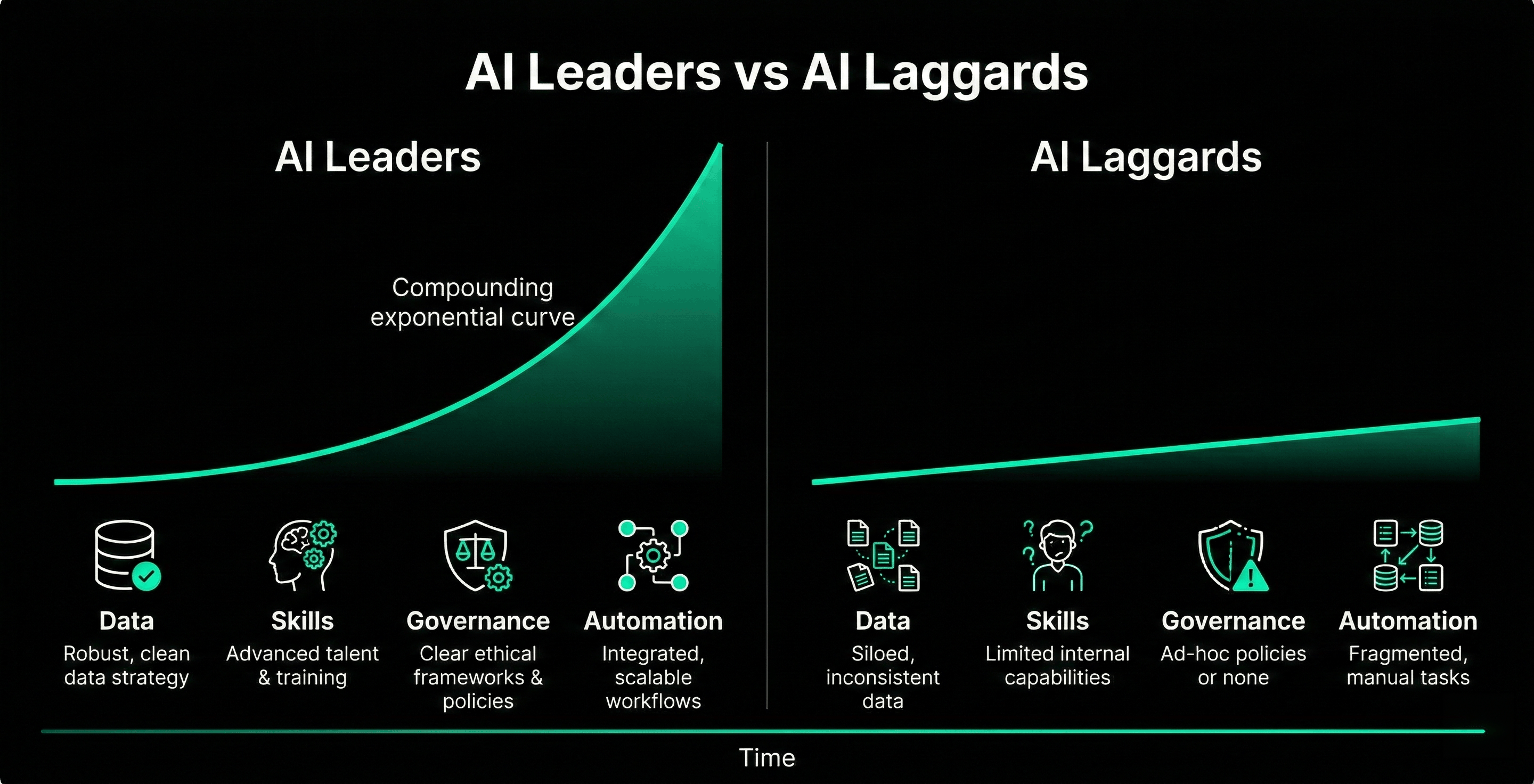
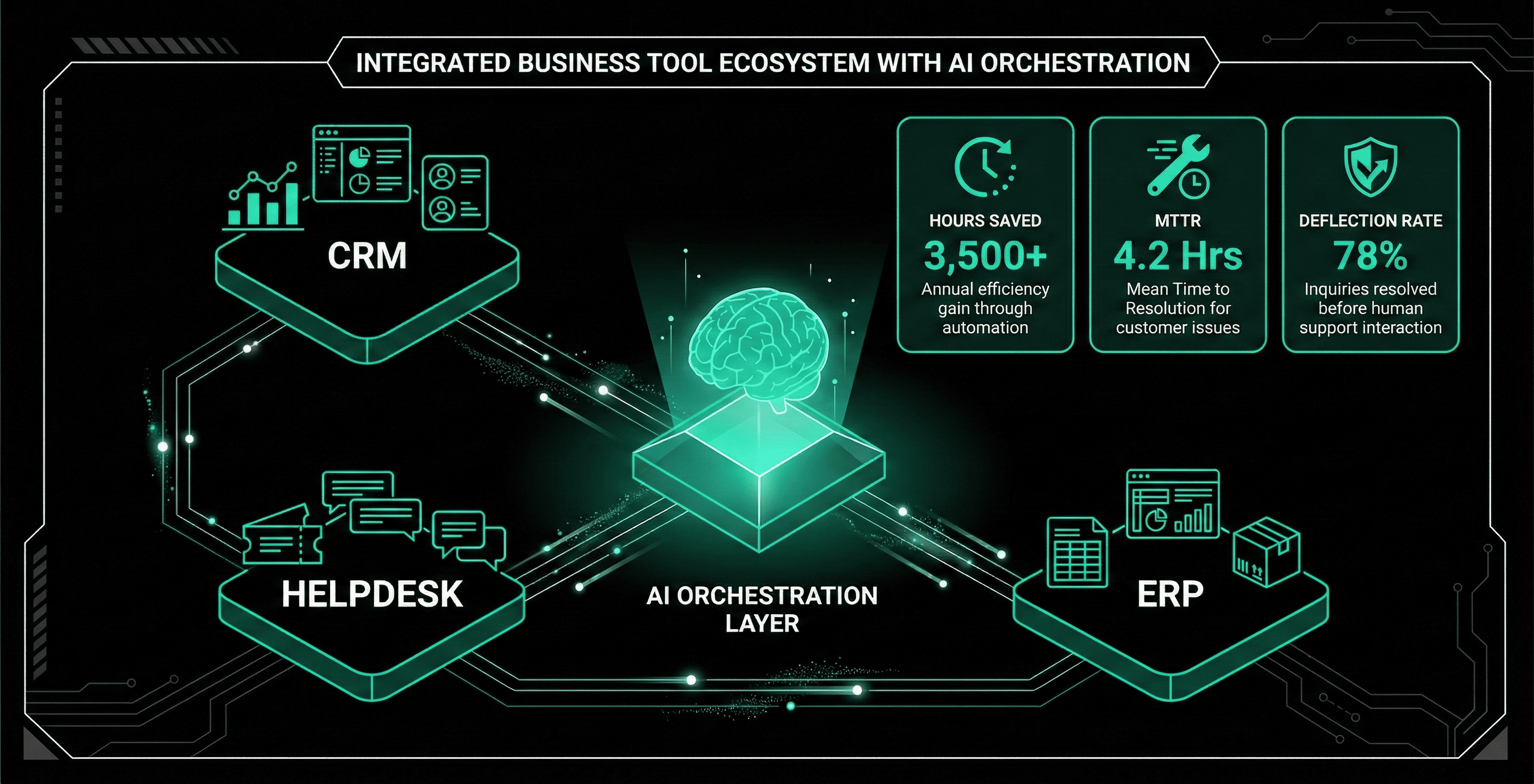
- Integration is the make-or-break factor AI must live inside your real tools and processes.
- Use a decision framework to choose RPA vs ML vs GenAI based on risk and complexity.
- Governance (access, audit trails, monitoring) is how AI becomes enterprise-ready.
- Scale through reusable building blocks: connectors, orchestration, evaluation, and dashboards.
Why AI Automation Matters Now
AI automation has shifted from “future concept” to operational advantage. Today, teams run on dozens of tools, more workflows, and higher customer expectations yet budgets and headcount don’t scale at the same speed. AI gives companies leverage by removing repetitive steps, reducing human error, and accelerating decisions using data that already exists in your systems.
The key is to focus on workflows that are measurable, repeatable, and tied to business outcomes rather than deploying automation for automation’s sake.
Saasence Insight: The fastest ROI comes from automating the handoffs where work stalls, context is lost, or humans repeatedly move data between systems.
Where AI Automation Delivers the Fastest ROI
Instead of thinking “which department should use AI?”, think “which workflow creates the most friction?”. These six areas consistently produce strong results across industries.
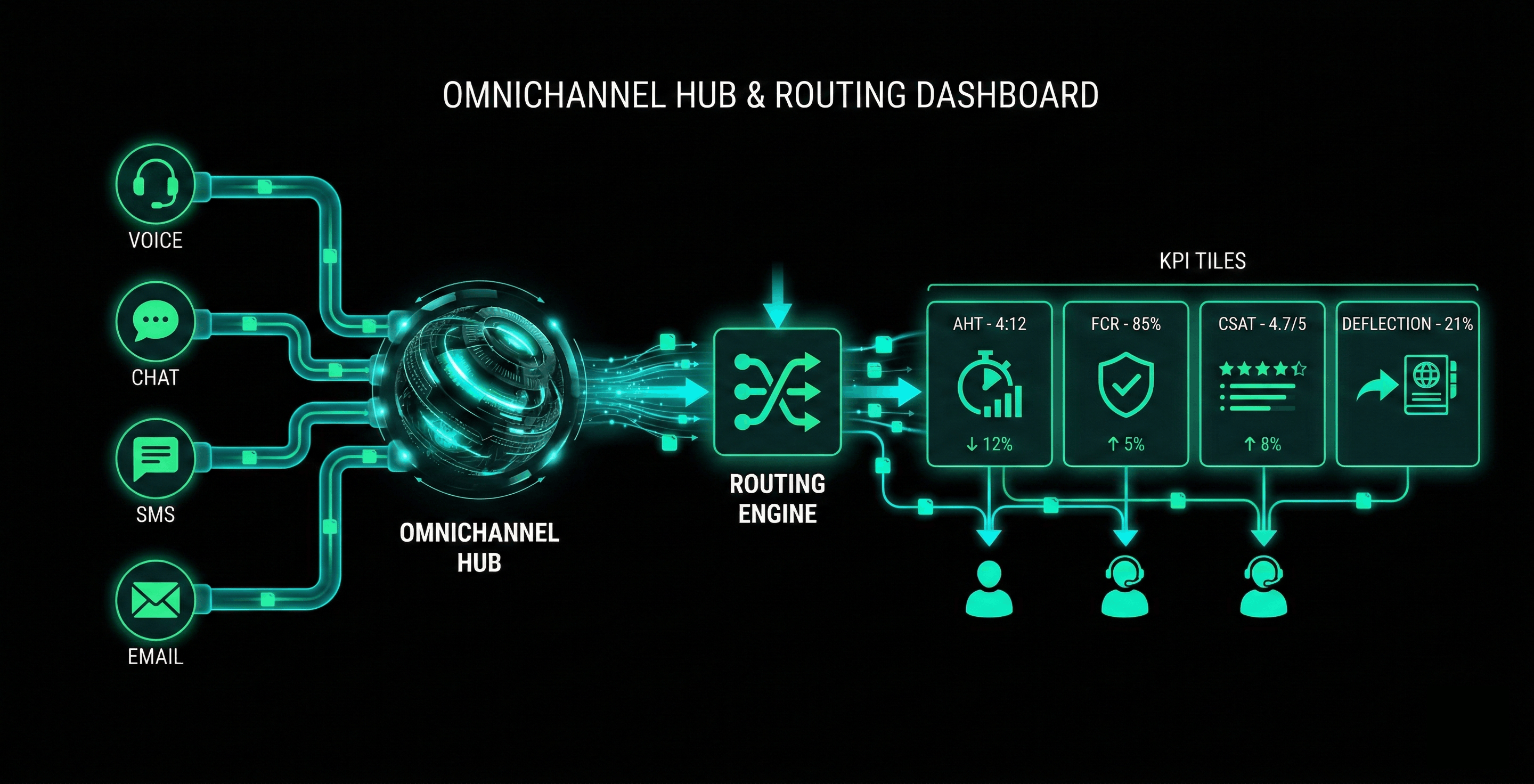
Customer Operations: Triage, Deflection & Faster Resolutions
High-value automations
- Ticket classification, prioritization, and sentiment detection
- Intelligent routing to the right queue/agent
- Self-service deflection for repeat questions
- Draft replies and knowledge lookups (with human approval)
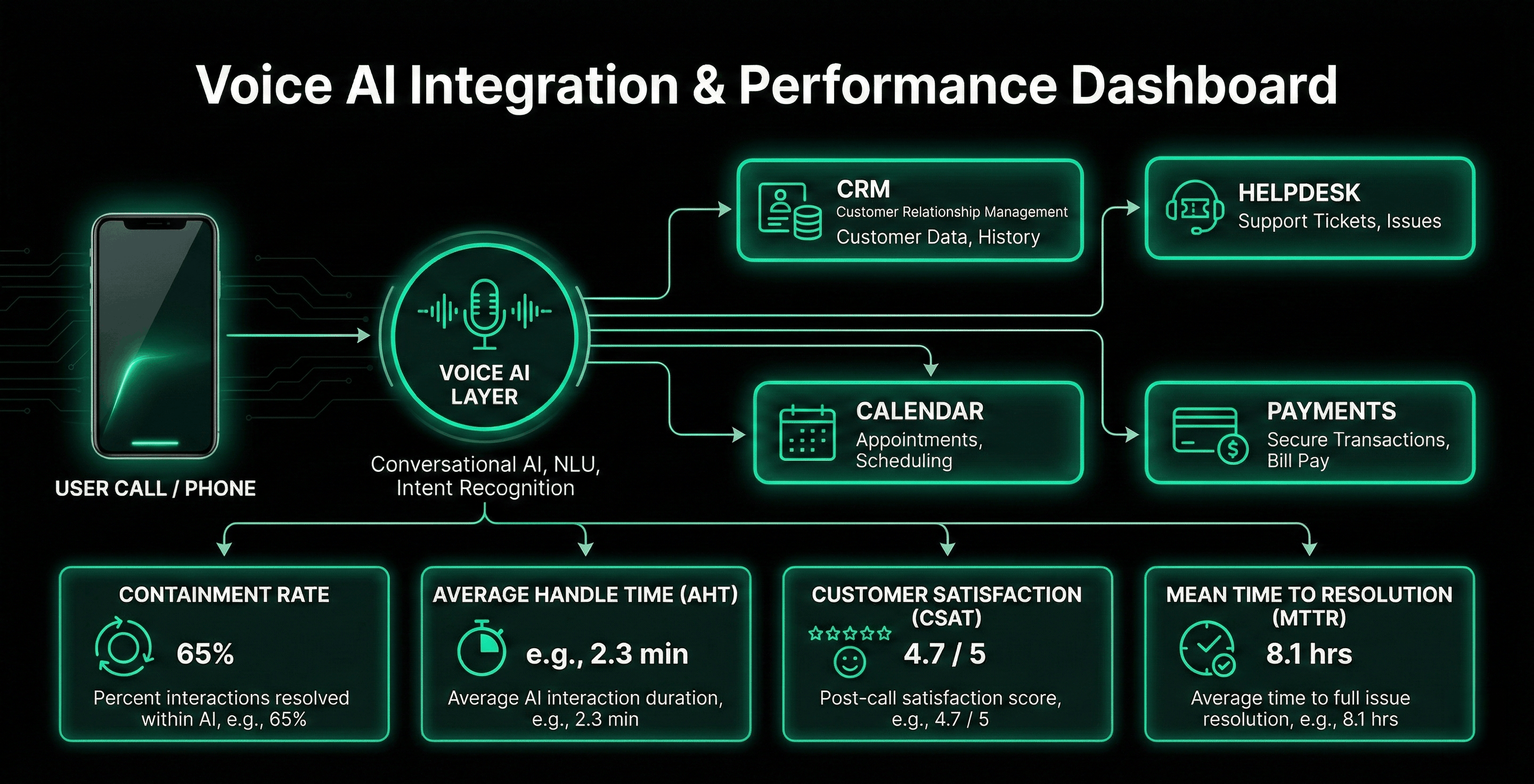
Metrics: First response time, AHT, deflection rate, reopen rate, CSAT trend
Sales & Marketing: Targeting, Personalization & Churn Prevention
High-value automations
- Lead scoring based on behavior and fit signals
- Personalized outreach drafts with guardrails
- Churn risk alerts and retention workflows
- Campaign optimization recommendations
Metrics: Conversion rate, response rate, cycle time, churn rate, CAC efficiency
Finance Ops: Document Processing & Risk Detection
High-value automations
- Invoice extraction and classification
- Reconciliation support and anomaly detection
- Fraud pattern flagging
- Automated expense categorization
Metrics: Processing time per invoice, exception rate, close cycle time, false positives
HR & People Ops: Faster Hiring Ops Without Losing Quality
High-value automations
- Candidate shortlist support (with bias checks)
- Scheduling and follow-ups
- Engagement insights from survey themes
- Workforce planning inputs and forecasting
Metrics: Time-to-screen, time-to-hire, offer acceptance rate, attrition signals
Operations & Supply Chain: Forecasting + Workflow Orchestration
High-value automations
- Demand forecasting and reorder recommendations
- Route optimization and scheduling
- Exception handling: alerts + recommended actions
- Quality checks (where applicable)
Metrics: Stockout rate, delivery variance, SLA breaches, throughput
IT & Security: Detection, Response & Self-Healing Patterns
High-value automations
- Alert correlation and prioritization
- Automated remediation for routine incidents
- Access anomaly detection and review support
- Configuration drift detection + rollback
Metrics: MTTD/MTTR, incident volume, repeat incidents, patch SLA adherence
Decision Framework: RPA vs ML vs GenAI
Choose RPA when: The process is rule-based and stable with predictable inputs.
Choose Machine Learning when: You need prediction, scoring, or classification based on patterns.
Choose Generative AI when: Work is language-heavy and inputs are unstructured.
Rule of thumb: Deterministic → RPA | Predictive → ML | Language/Knowledge → GenAI
Implementation Roadmap
Phase 1: Pick one measurable workflow (2–3 weeks).
Phase 2: Build minimum valuable automation (3–6 weeks).
Phase 3: Add governance and monitoring.
Phase 4: Scale with reusable connectors and orchestration.
What Most Teams Miss
- Automating a broken process
- Treating integration as “later”
- Skipping governance
- Measuring the wrong success
- Expecting LLMs to behave like deterministic software
Conclusion
AI automation delivers the most value when it targets real bottlenecks, integrates into daily workflows, and includes governance from day one. Start with one measurable win, build repeatable patterns, and scale through orchestration, monitoring, and iteration.
How Saasence Helps
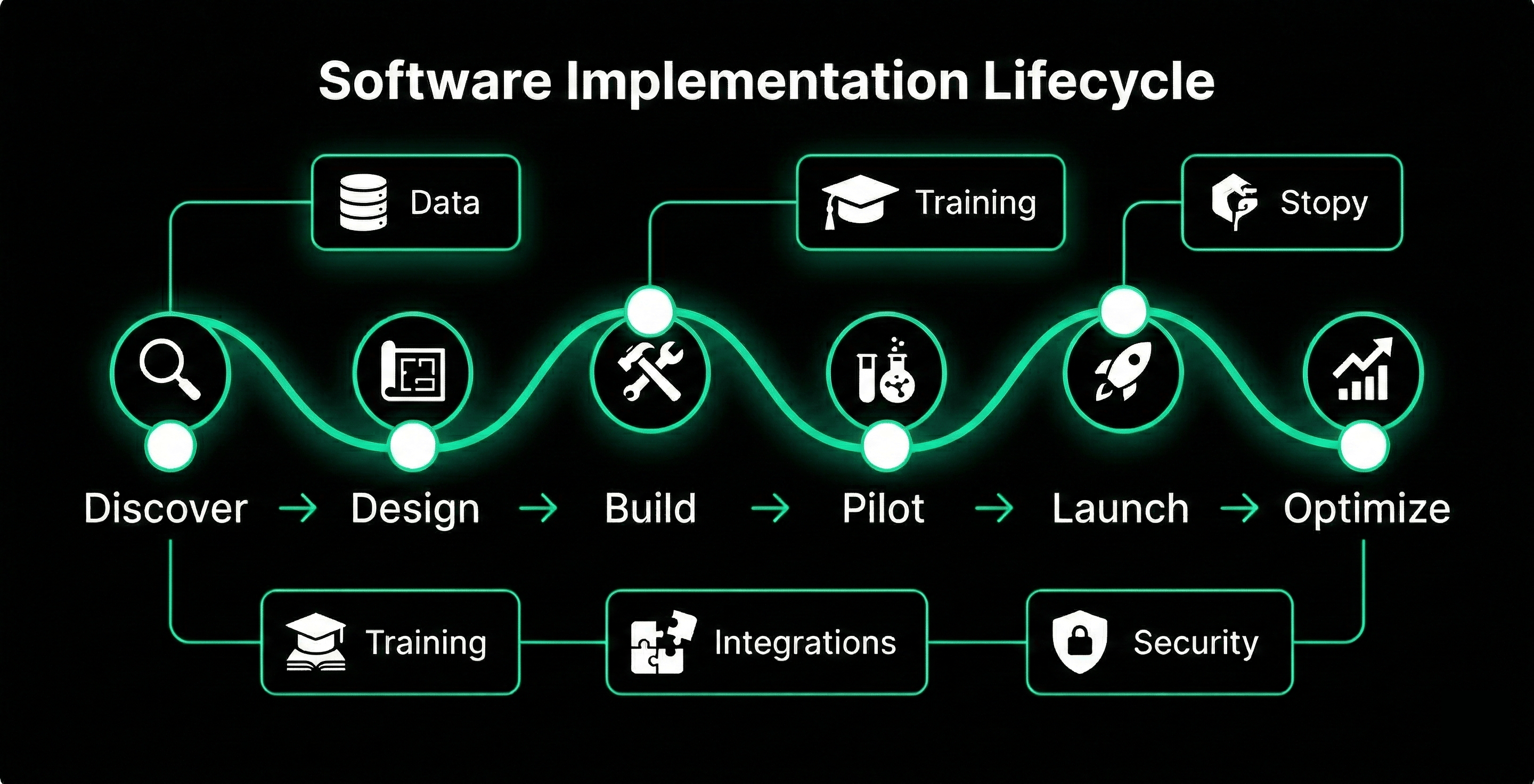
Saasence builds AI automation that fits real operations integrated into your existing stack with security, monitoring, and measurable KPIs. We support the full lifecycle: opportunity discovery, workflow design, AI/GenAI implementation, orchestration across SaaS tools, and post-launch optimization.
Ready to Get Started?
If you’re exploring AI automation but want to avoid pilots that stall, Saasence can help you move from ideas to measurable impact. We start with a quick discovery call to define success metrics and identify the best first use case for ROI.